
Learn to feel, build and use your energy.
Step-by-step Qigong and Tai Chi courses from Sifu Dan Ferrera — traditional methods, taught plainly, backed by modern research. Practise 15 minutes a day, from home.
Free 10-day standing guide included · Lifetime access · Questions answered by Sifu Dan
Three doors. Pick the one that fits you.
Everything on this site is built on one root practice. Where you enter depends on your experience and your goal.
I’m new to Qigong
Start with Qigong 101: posture, breathing and how to actually feel Chi. Then add the free 10-day standing routine. Most people notice calmer sleep and steadier energy within a month.
Start with Qigong 101 →I have some experience
Deepen the work with Tai Chi Ruler Qigong, Shaolin Chi Kung or Qigong 202 — methods for cultivating and circulating internal energy with real depth.
Browse intermediate courses →I have a specific goal
Healing, internal power, meditation, or Tai Chi. The Start Here guide maps each goal to the right course so you don’t buy the wrong thing.
Open the Start Here guide →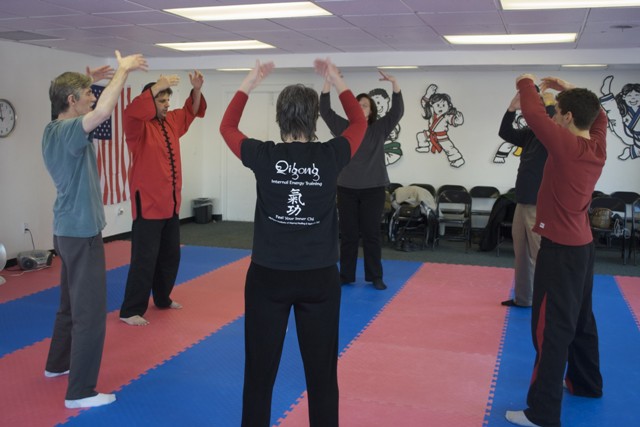
Qigong 101: the root practice behind every course here
A complete beginner’s system — PDFs plus exclusive video — that teaches the foundation everything else stands on.
- Correct standing posture and the breathing method that switches on Chi
- How to feel energy in your hands within the first week
- A 15–20 minute daily routine you can sustain
- Lifetime access, and email support from Sifu Dan
Not sure? Read Qigong vs Tai Chi: which should you learn first?
What practice actually changes
In 4 weeks practising the Shaolin Qigong, I’ve had my joint pain and stiffness disappear.
— Shaolin Chi Kung studentDigestion, sleep, resilience. I’m doing almost 2 hours a day of standing and I can feel the difference in everything.
— Zhang Zhuang studentThe information in the manual is very clear and easy to understand, and it’s great to have the video for a visual to clarify details. Both relaxing and great for strength building.
— Tai Chi Ruler Qigong studentWhat the research says about Tai Chi & Qigong
Plain-language summaries of the clinical trials — what was measured, in whom, and how big the effect was — each linked to the practice that applies.
Blood pressure & heart health
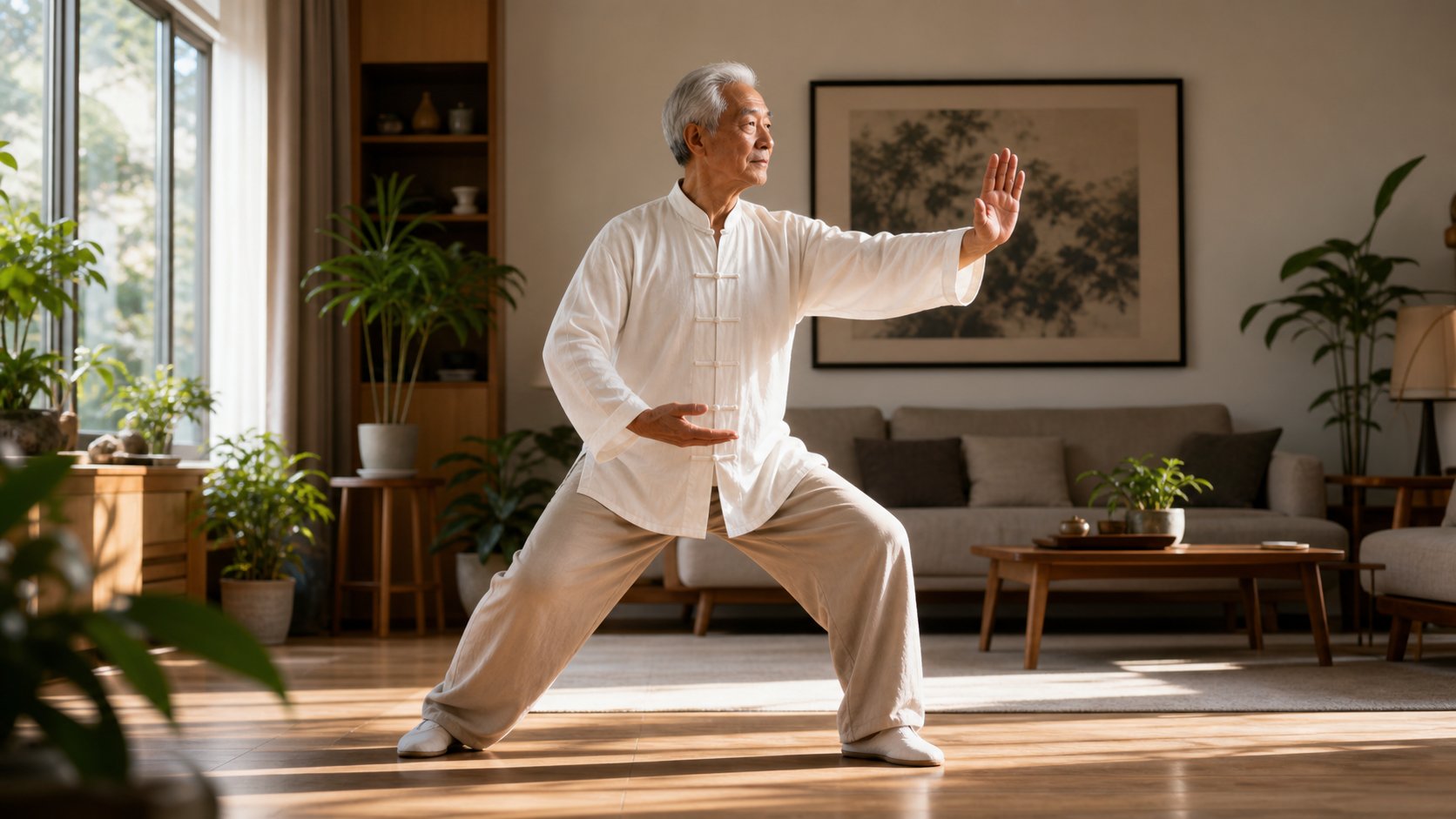
A 12-month JAMA trial of 342 adults: Tai Chi lowered systolic pressure more than aerobic exercise.

Anxiety & depression
40 studies, 3,800+ participants: moderate-to-large effects on stress, anxiety and mood.
Balance, Parkinson’s & the brain
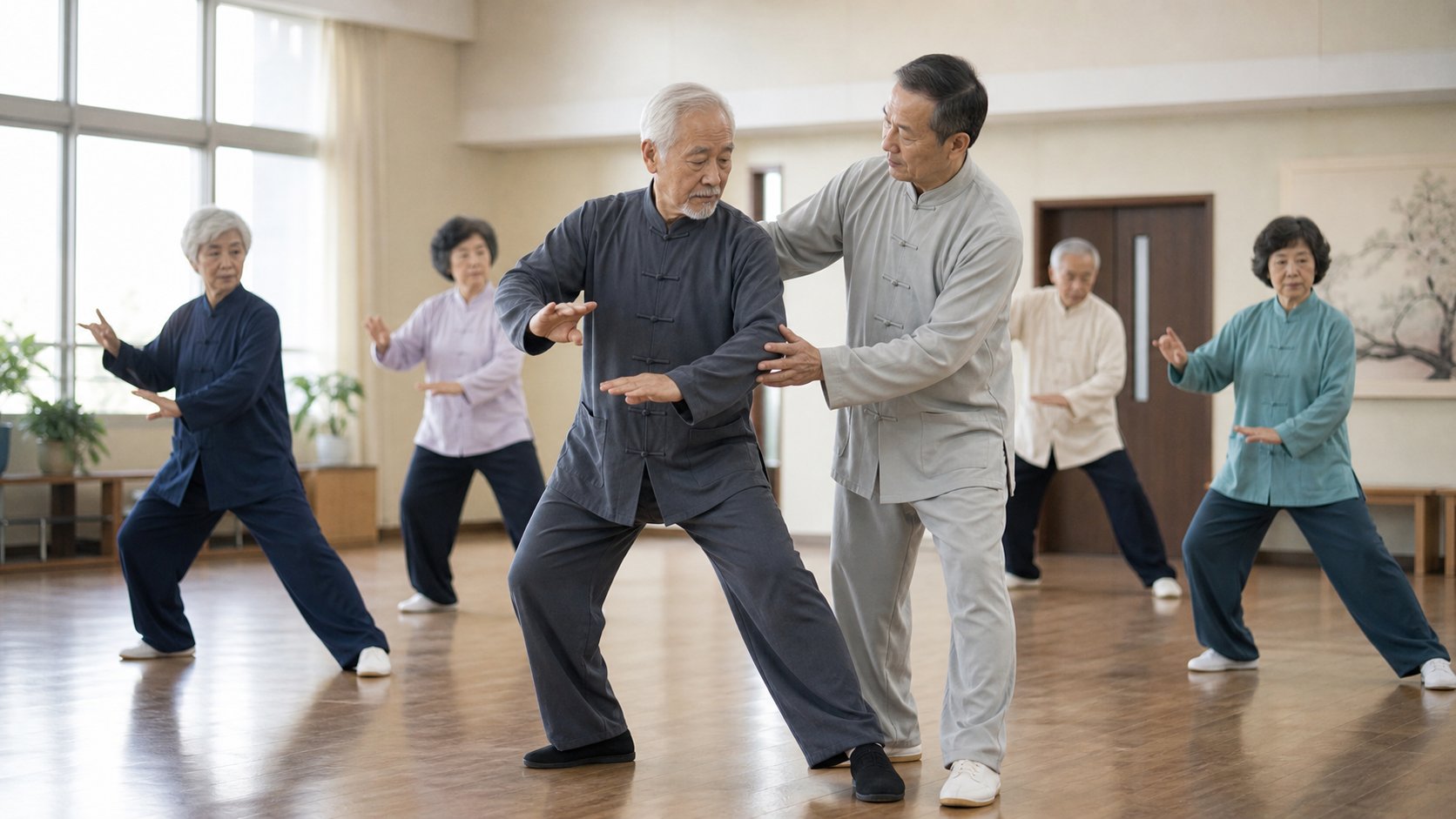
NEJM: Tai Chi cut falls by two-thirds versus stretching in Parkinson’s patients.
Curious about the traditional maps behind Qigong? Read Qigong Esoteric Anatomy →
Guides for your next question
Practical answers for sleep, stress, movement, traditional maps and the questions people ask before starting Qigong.
Sleep & calm
Short, practical routines for winding down and handling anxious moments.
Qigong for sleep →Qigong for anxiety →Traditional maps
Understand the language of dantian and orbit practice without confusing tradition with biomedical anatomy.
What is the dantian? →Microcosmic Orbit →Movement practice
Explore approachable movement traditions and what current research can—and cannot—tell us.
Eight Brocades →Tai Chi for seniors →Compare & understand
Clear answers when you are deciding what to practise and how to interpret the evidence.
Qigong vs Yoga →Is Qigong real? →
Sifu Dan Ferrera
Training daily since 2002 across Chinese, Japanese, Malaysian, Indonesian, Tibetan and Indian internal systems, with formal lineage instruction in Shaolin One Finger Zen, Niikura Ki breathing and Kundalini methods. Dan teaches from Michigan and answers student questions personally.
About Sifu DanTry before you enrol
10-day standing Qigong guide
Zhang Zhuang, the classic “standing like a tree” practice, laid out one day at a time.
Start day 1 →Inner Smile & Six Healing Sounds
Two Taoist practices for calming the organs and the mind — complete instructions.
Read the guide →Qigong questions, answered
What Chi feels like, how long results take, what to practise first — 40+ plain answers.
Open the FAQ →Common questions
Do I need any experience to start?
No. Qigong 101 assumes nothing. If you can stand and breathe, you can begin. The 10-day standing guide is free if you want to try the feel of it first.
How much time does it take?
15–20 minutes a day is enough to make steady progress. Consistency matters far more than session length.
Is this Tai Chi or Qigong?
Mostly Qigong — the energy-cultivation practice that Tai Chi is built on. Tai Chi Ruler Qigong is the bridge between the two. Here’s the difference explained.
What do I get when I buy a course?
Instant, lifetime online access to the lesson PDFs and videos, plus the ability to email Sifu Dan directly with questions about your practice.
Ready to feel your energy?
Start with the guide that matches your experience, or go straight to Qigong 101.
Find your starting point