Qigong and Tai Chi for Anxiety and Depression: What the Research Shows (2026)

Quick answer: Yes, the evidence is solid. A meta-analysis of 40 studies (3,817 participants) found regular Tai Chi produced moderate reductions in stress, anxiety and depression, and a 2023 network meta-analysis of 20 randomized trials in older adults confirmed significant reductions in both anxiety and depressive symptoms. The mechanism is not mysterious: slow breathing and sustained attention shift the nervous system out of fight-or-flight. Below is what the studies found, why it works, and the simplest way to start.
Jump to: What the studies found · Why it works · How to practise · FAQ · Sources
This article summarises peer-reviewed research for education. It is not medical advice; keep your current treatment and talk to your clinician before starting any new practice.
What the studies found
The 40-study review of Tai Chi and psychological well-being
BMC Complementary and Alternative Medicine, 2010
Researchers at Tufts pooled 40 studies (17 randomized, 3,817 participants across the USA, China, Europe and Australia). Regular Tai Chi, from a single hour up to a year of practice, was associated with significantly reduced stress (effect size 0.66), anxiety (0.66) and depression (0.56), and increased self-esteem. In plain language, those are moderate effects, in the same range as many first-line treatments.
The 2023 network meta-analysis in older adults
Frontiers in Public Health, 2023
Twenty randomized controlled trials were compared head to head. Tai Chi beat control conditions for both anxiety and depression, with the biggest anxiety effect from traditional Yang-style forms and the biggest depression effect from structured Tai Chi exercise programs. The authors recommend Tai Chi as a viable treatment option for older adults seeking to reduce depressive symptoms.
Sleep: the 320-person insomnia trial
JAMA Network Open, 2021
Anxiety and insomnia feed each other. In this Hong Kong trial, 320 older adults with chronic insomnia were randomized to Tai Chi, conventional exercise or control. Tai Chi improved objectively measured sleep efficiency as much as conventional exercise, and the benefit was still present 24 months later.
Why it works: research and tradition side by side
| What the research measures | What Qigong tradition calls it |
|---|---|
| Slow breathing (about 6 breaths per minute) activates the vagus nerve and raises heart-rate variability, the body’s marker of a calm, flexible nervous system | Sinking the breath to the lower dantien |
| Sustained attention on body sensation interrupts rumination, the repetitive thought loop that maintains anxiety and depression | Yi (intention) leads Qi; mind and body regulated as one |
| Gentle rhythmic movement lowers cortisol and muscle tension without the exertion that anxious people often cannot tolerate | Song: relaxed, sinking, releasing the body |
| Directed attention to organs and emotions (smiling into the heart, releasing worry from the spleen) is a form of self-compassion practice that has its own evidence base | The Inner Smile and Six Healing Sounds |
How to put it into practice
- Start with the breath, not a form. Five minutes of slow belly breathing, morning and evening, is the single highest-leverage habit. It is lesson one of Qigong 101.
- Add the Inner Smile. It is the Taoist practice designed specifically for emotional release, takes 10 minutes and is free in our Inner Smile & Six Healing Sounds guide. The Heart and Lung sounds are the two most students use for anxiety and grief.
- Stand. Ten minutes of Zhang Zhuang standing meditation trains the nervous system to stay calm under mild physical stress, which transfers directly to daily life.
- Expect the timeline the studies show. Sleep usually changes first (2 to 4 weeks), mood and reactivity over 8 to 12 weeks. One of our students describes exactly that arc, from panic attacks to deep sleep, in her own words.
- Keep your treatment. Every positive trial added Tai Chi or Qigong alongside usual care. Do not stop medication or therapy without your clinician.
Recommended for this goal: Qigong 101 (the breathing and posture foundations every study relies on) · Inner Smile & Six Healing Sounds (free) (the emotional-release practice) · Meditations for Manifesting (guided meditations for retraining the mind). Not sure? Use the Start Here guide.
Frequently asked questions
Can Qigong help with anxiety?
Yes. Meta-analyses of randomized trials show Tai Chi and Qigong produce moderate reductions in anxiety, in the same effect-size range as many standard treatments. The likely mechanisms are slow breathing, which activates the parasympathetic nervous system, and sustained attention, which interrupts anxious rumination.
Is Qigong good for depression?
The evidence is positive. A 40-study review found a moderate reduction in depressive symptoms with regular Tai Chi, and a 2023 network meta-analysis of 20 randomized trials in older adults confirmed significant improvement. Qigong is best used alongside, not instead of, professional treatment.
How long does it take for Qigong to reduce anxiety?
Most trials ran 8 to 12 weeks with two or more sessions a week. In practice, students usually notice better sleep within two to four weeks and calmer daily reactivity by two to three months of daily practice.
Which Qigong exercise is best for anxiety?
The three practices with the most direct effect are slow diaphragmatic breathing, the Inner Smile (smiling into the heart and organs) and Zhang Zhuang standing meditation. All three are taught in Qigong 101 and the free Inner Smile guide on this site.
Can I do Qigong if I have panic attacks?
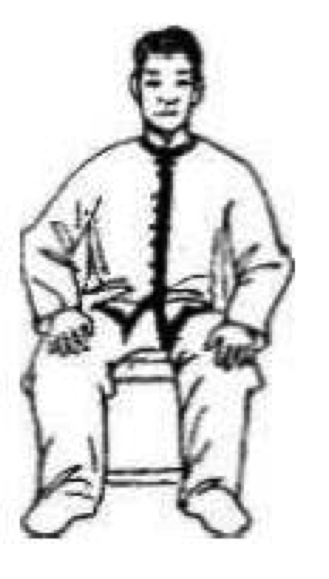
Yes, and many students start for exactly that reason. Begin seated with slow breathing and keep sessions short. If you notice emotions surfacing strongly, shorten the session and return the next day. Consult your mental health professional if distress increases.
Sources
- Wang C, et al. Tai Chi on psychological well-being: systematic review and meta-analysis. BMC Complement Altern Med. 2010;10:23.
- The effects of different types of Tai Chi exercise on anxiety and depression in older adults: a systematic review and network meta-analysis. Front Public Health. 2023.
- Siu PM, et al. Effects of Tai Chi or Exercise on Sleep in Older Adults With Insomnia: A Randomized Clinical Trial. JAMA Netw Open. 2021;4(2):e2037199.
- Ferrera D. Studies Prove Tai Chi and Qigong Relieve Anxiety and Depression (companion article, January 2026).
Part of the Qigong & Tai Chi research series: Overview & the 2026 Harvard conference · Anxiety & depression · Blood pressure & heart · Parkinson’s, stroke & brain · Chronic back pain · Cancer recovery · COPD, breathing & sleep