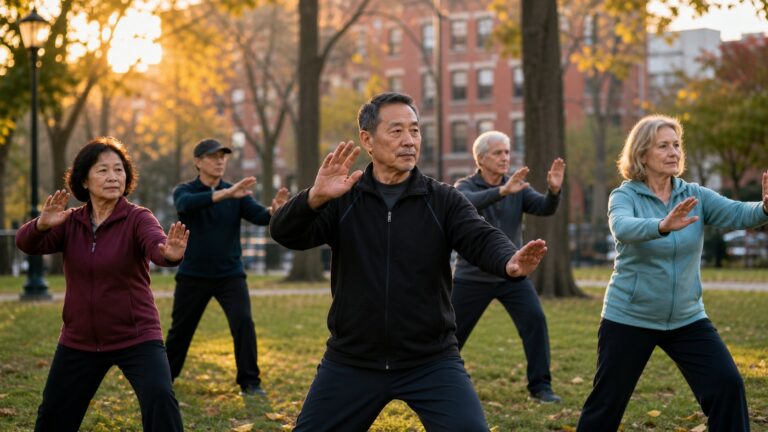
Tai Chi and Qigong for Cancer Recovery: Fatigue, Sleep and Quality of Life Research (2026)

Quick answer: For people going through or recovering from cancer treatment, the evidence is encouraging and specific. A meta-analysis led by Harvard’s Peter Wayne pooled 22 clinical studies in breast, lung, prostate and lymphoma patients and found Tai Chi and Qigong significantly reduced fatigue, sleep difficulty and depression and improved overall quality of life. Qigong does not treat cancer; it helps you tolerate treatment and recover strength, sleep and calm. Here is what the research found and how to practise safely when energy is low.
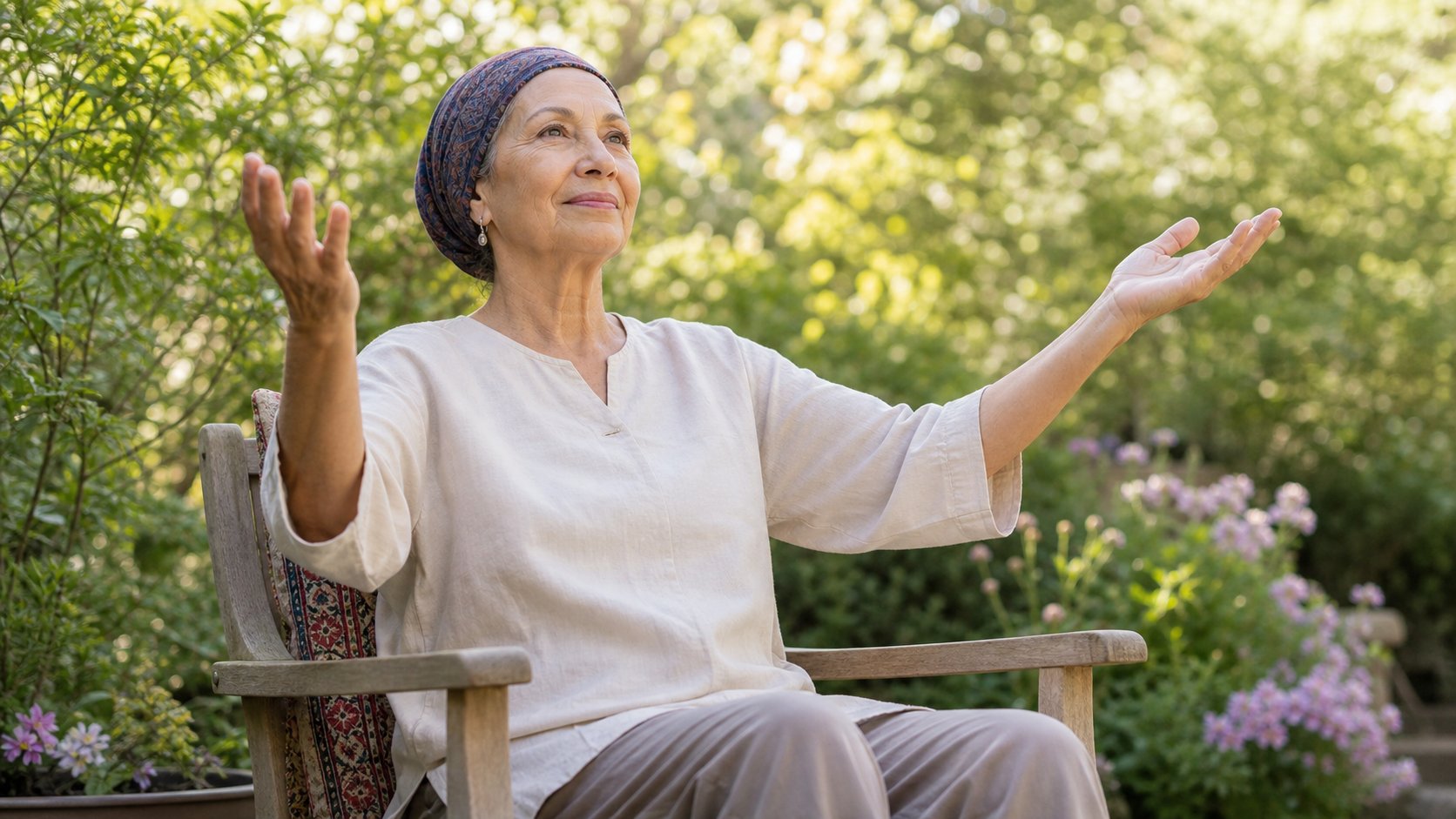
Jump to: What the studies found · Why it works · How to practise · FAQ · Sources
This article summarises peer-reviewed research for education. It is not medical advice; keep your current treatment and talk to your clinician before starting any new practice.
What the studies found
The Harvard meta-analysis of 22 studies
Journal of Cancer Survivorship, 2018
Wayne and colleagues at the Osher Center systematically reviewed randomized and non-randomized studies of Tai Chi and Qigong in cancer patients and survivors, with interventions of 3 to 12 weeks. Across the pooled trials, Tai Chi and Qigong were associated with significant improvements in fatigue (effect size ?0.53), sleep difficulty (?0.49), depression (?0.27) and overall quality of life (+0.33). Pain showed a positive but non-significant trend. Fatigue, the symptom cancer patients most often say is the hardest to live with, showed the largest effect.
What ‘fatigue’ means here
Interpretation
Cancer-related fatigue is not ordinary tiredness; rest does not fix it, and inactivity makes it worse. Gentle movement that does not deplete is the intervention with the best evidence, and Tai Chi and Qigong fit that description precisely: low intensity, seated or standing, breath-led, and short.
Immune and inflammatory markers
Review, 2022
Smaller studies report favourable changes in immune markers (including natural killer cell activity and inflammatory cytokines) in regular Tai Chi and Qigong practitioners, and one well-known trial found improved immunity to the shingles virus in older adults after Tai Chi. These findings are promising but preliminary; the quality-of-life evidence is the part that is well established.
Why it works: research and tradition side by side
| What the research measures | What Qigong tradition calls it |
|---|---|
| Gentle movement counteracts deconditioning without triggering the exhaustion that harder exercise causes during treatment | Nourishing rather than spending Qi |
| Slow breathing and attention lower stress hormones that suppress immune function and disturb sleep | Calming the Shen (spirit); sinking the breath |
| Directed attention and self-compassion practices reduce depression and the sense of helplessness | The Inner Smile: smiling into the organs |
| Regular short practice restores a sense of agency over the body during a period when much feels out of control | Cultivating the self; the practitioner as their own healer |
How to put it into practice
- Start seated and short. Five minutes of belly breathing with the hands on the lower abdomen is a complete practice on a chemotherapy week. Qigong 101 is built from these fundamentals and can be done entirely seated.
- Use the Inner Smile daily. It requires no physical effort and directly targets the anxiety, low mood and sleep disruption the meta-analysis measured. It is free in our Inner Smile & Six Healing Sounds guide; the Lung sound is especially soothing for grief and breathlessness.
- Move when you can, rest when you must, but keep the habit. The trials ran 3 to 12 weeks with consistent gentle sessions; the effect on fatigue comes from regularity, not effort.
- Receive, then learn to give. Some students begin with a distance energy healing session to feel the practice before doing it themselves; the Energy Healing course teaches the methods once you have strength to practise.
- Tell your oncology team. Tai Chi and Qigong are widely accepted in integrative oncology, but your team should know what you are doing, especially around surgery, low blood counts or bone involvement.
Recommended for this goal: Qigong 101 (seated-friendly breath and posture foundations) · Inner Smile & Six Healing Sounds (free) (effortless emotional and sleep support) · Energy Healing (when you are ready to work with energy directly). Not sure? Use the Start Here guide.
Frequently asked questions
Does Qigong help with cancer-related fatigue?
Yes. A Harvard-led meta-analysis of 22 studies found Tai Chi and Qigong significantly reduced cancer-related fatigue, with the largest effect of any symptom measured, along with improvements in sleep, depression and quality of life.
Can I practise Qigong during chemotherapy?
Usually yes, in a gentle seated form. Breathing practice and the Inner Smile require no exertion. Ask your oncology team first, particularly if you have low blood counts, bone metastases or recent surgery.
Does Qigong boost the immune system?
Preliminary studies report favourable changes in immune markers such as natural killer cell activity in regular practitioners, and one trial found improved shingles immunity after Tai Chi. These findings are promising but not yet conclusive; the quality-of-life benefits are well established.
Is Tai Chi or Qigong better for cancer recovery?
The research pools them because they share the same active ingredients: slow movement, breath and attention. Qigong is generally simpler to learn and easier to do seated, which makes it the usual starting point during treatment.
Can Qigong cure cancer?
No. Qigong is a supportive practice that helps people tolerate treatment and recover strength, sleep and calm. It should always be used alongside, never instead of, medical care.
Sources
- Wayne PM, Lee MS, Novakowski J, Osypiuk K, Ligibel J, et al. Tai Chi and Qigong for cancer-related symptoms and quality of life: a systematic review and meta-analysis. J Cancer Surviv. 2018;12(2):256-267.
- Using Tai Chi and Qigong to Treat Cancer Symptoms. Biomed J Sci Tech Res. 2022;45(2).
- Ferrera D. Tai Chi and Qigong for Cancer Recovery: Research on Immune Function and Quality of Life (companion article, January 2026).
Part of the Qigong & Tai Chi research series: Overview & the 2026 Harvard conference · Anxiety & depression · Blood pressure & heart · Parkinson’s, stroke & brain · Chronic back pain · Cancer recovery · COPD, breathing & sleep