
How to Find a Qigong Teacher (and What Qigong ‘Certification’ Actually Means)

Direct Answer: To find an authentic Qigong teacher, look beyond standard “certifications” and seek instructors who emphasize internal energy mechanics (Neigong) rather than just physical choreography. Because there is no single global governing body for Qigong, a certification often just means a student completed a specific school’s curriculum—it does not guarantee mastery. Prioritize teachers who offer structured, progressive curricula covering foundational practices like standing Wuji, the Inner Smile, and breath regulation, and who can articulate the physiological and energetic “why” behind the movements.
As the health benefits of Qigong and internal martial arts become globally recognized, the demand for instruction has skyrocketed. However, this surge in popularity has created a confusing landscape for beginners. If you are looking to cultivate your internal energy, reduce stress, and build structural resilience, finding a qualified teacher is the most critical step you will take.
But what exactly makes someone a qualified Qigong teacher?
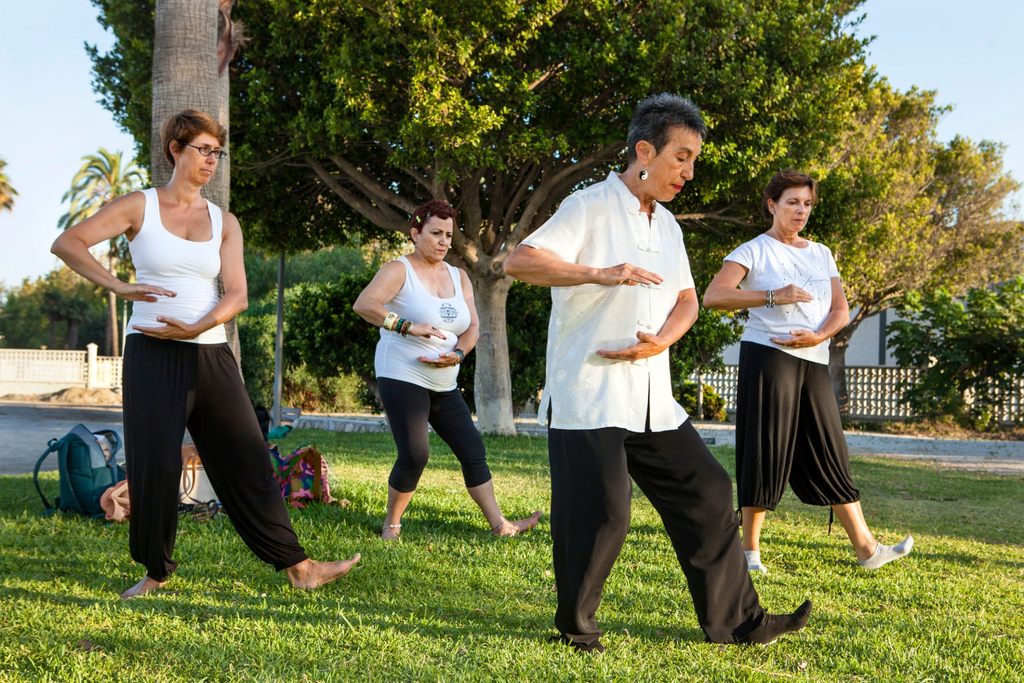
The Truth About Qigong “Certification”
When searching for a practitioner, you will often see the phrase “Certified Qigong Instructor.” It is crucial to understand what this designation does—and doesn’t—mean.
Unlike medicine or physical therapy, there is no centralized, universally recognized governing body for Qigong. A certification simply means that an individual paid for and completed a specific training program created by a specific school or master.
The Certification Spectrum
| Type of Certification | What It Usually Entails | What It Indicates |
| Weekend/Online Crash Courses | 10 to 50 hours of following physical movements. | The instructor knows the basic external choreography of a specific form. |
| Institutional/Medical Programs | 200+ hours focusing on anatomy, safety, and specific health protocols. | A safe, clinical approach to Qigong, excellent for general wellness and mobility. |
| Traditional Lineage Training | Decades of continuous practice under a recognized master. | Deep understanding of internal energy mechanics, Taoist cultivation, and Neigong. |
A piece of paper is far less important than the depth of the instructor’s personal practice. Many of the most profound teachers of internal arts hold no modern “certifications” at all; their authority comes from decades of dedicated practice, deep understanding of the internal mechanics, and the tangible results they produce in their bodies and their students’ lives.
4 Hallmarks of an Authentic Internal Arts Teacher
When evaluating a potential Sifu (teacher) or instructor, look for these defining characteristics that separate true internal cultivation from mere aerobic exercise:
1. They Emphasize the “Internal” Over the “External”
Qigong literally translates to “energy work.” If a teacher only corrects where your hands and feet go, they are teaching calisthenics. A true teacher will guide your internal awareness. They should be able to explain the mechanics of practices like the Inner Smile, the Microcosmic Orbit, or Bone Marrow Nei Kung. They will focus heavily on breath mechanics—such as specific Ki breathing techniques—and intention (Yi) rather than just making the posture look pretty.
2. They Teach Stillness Before Movement
If your first class immediately jumps into a complex 64-movement form, you might be in the wrong place. Authentic internal cultivation almost always begins with stillness. Look for teachers who heavily emphasize foundational postures like Wuji (standing meditation). If they cannot explain why standing still is the most demanding and important part of the practice, their internal foundation may be weak.
3. They Offer Structured, Progressive Systems
Mastery requires a roadmap. The best instructors don’t just lead random follow-along sessions; they provide comprehensive, structured course materials. They often author detailed guides, course scripts, or newsletters that break down complex Taoist energy practices into digestible, sequential steps. They understand that a student must open their energy channels safely and methodically before attempting advanced practices.
4. They Demystify the Practice
Beware of teachers who speak entirely in mystical riddles. A highly skilled practitioner understands the body’s biomechanics, fascia, and nervous system. They can connect ancient terminology (like Qi, Dan Tian, and meridians) with practical, felt sensations in the modern human body.
Questions to Ask a Potential Teacher
Before committing to a class, retreat, or online course, consider asking the instructor these clarifying questions:
- “What is your lineage or background?” (Listen for a history of sustained, long-term study rather than a quick weekend retreat).
- “How much of your curriculum focuses on foundational breathing and standing meditation versus learning new forms?” (A high ratio of foundation to form is a green flag).
- “If I have a physical limitation or injury, how do you adapt the internal mechanics of the practice?” (A competent teacher adapts the internal intention, not just the physical stretch).
The Bottom Line
Finding the right Qigong teacher is a highly personal journey. While certifications can show that an instructor has put in a baseline level of effort, they are not the ultimate measure of skill. Look for a teacher who has dedicated a significant portion of their life to the art, who teaches systematically, and who gives you the tools to actually feel and develop your own internal energy.
Explore more about Qigong and internal energy practices below:
Standing Qigong Niikura Ki Breathing Inner Smile and Six Healing Sounds
