
Empty Force (Ling Kong Jin) Explained: Myth, Method, Or Advanced Qigong Skill?

Empty Force fascinates many Qigong and martial arts practitioners, yet National Geographic’s “Is It Real?” famously showed that a no-touch knockout attempt failed under controlled conditions, which raises important questions about what is real training and what is wishful thinking.
Key Takeaways
| Question | Answer |
|---|---|
| What is Empty Force (Ling Kong Jin)? | It is often described as projecting internal energy without physical contact. On our site, we frame it as an advanced extension of structured Qigong training, as explored in our Inner Power Empty Force material. |
| Can Empty Force be learned step by step? | We present it as a long-term skill set that grows from foundational practices, which we outline in Empty Force Step by Step. |
| Is there scientific proof of paranormal Empty Force abilities? | Controlled investigations have not validated no-touch knockout claims. However, research on Qigong and Tai Chi, such as studies summarized by Harvard programs on Tai Chi and Qigong, suggests possible benefits for balance, mood, and quality of life, without confirming paranormal powers. |
| What foundations support Empty Force training? | We emphasize standing meditation, breathing, and emotional work, such as Zhang Zhuang standing practice in Zhang Zhuang Chi Kung and Inner Smile approaches. |
| Where can I start if I am a beginner? | We recommend building internal awareness first through practices like Katsumi Niikura’s Ki Breathing Basic Four before exploring advanced ideas like Empty Force. |
| How does meditation and emotional balance fit in? | Techniques like the Inner Smile and Six Healing Sounds help regulate emotions, which is essential groundwork for any advanced internal power work, discussed in Inner Smile & Six Healing Sounds Practices. |
| Is Empty Force safe to explore? | We encourage a cautious, grounded approach. Work progressively, avoid chasing dramatic demonstrations, and see Empty Force as an exploration of awareness, not as guaranteed paranormal ability. |
1. What Empty Force Really Is: Ling Kong Jin Without The Hype
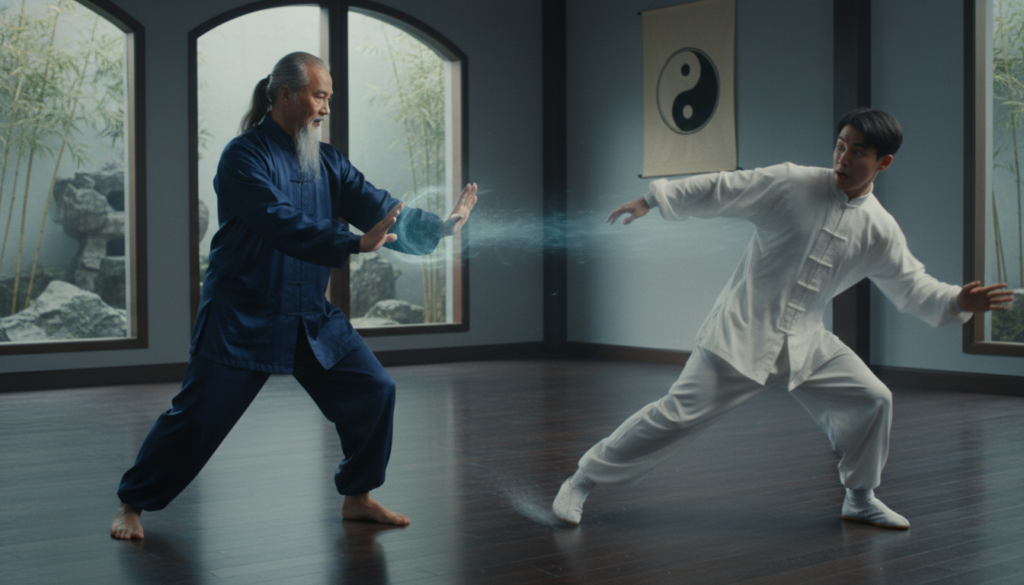
Empty Force, or Ling Kong Jin (???), is usually described as influencing another person at a distance using internal energy, without direct physical touch.
In many Western discussions, people associate it with spectacular no-touch knockdowns, but in traditional internal arts it is often linked to refined sensitivity, timing, and intent that border on the extraordinary rather than Hollywood-style telekinesis.
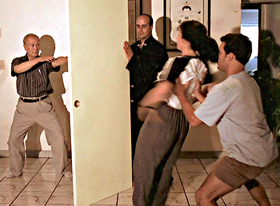


The Chinese term is sometimes translated as “Volley Jin” or “Directed Boundaried Power”, which hints more at structured, directed force than at vague mystical energy.
In our experience, when practitioners drop the hype and approach Empty Force as a subtle byproduct of strong basics, they progress further and stay more grounded in their training.
2. History, Legends, And Eyewitness Stories Around Empty Force
Stories about masters using Empty Force appear in Chinese martial arts, Indonesian internal systems like Tenaga Dalam, and modern Qigong circles.
Eyewitnesses sometimes describe being pushed, off-balanced, or even frozen in place by a teacher who appears relaxed and barely moving, which naturally feeds the mystique.
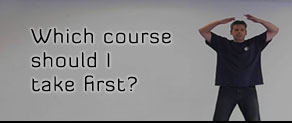
Accounts around figures like John Chang, popularized in “The Magus of Java”, describe phenomena such as electrical shocks, unexplained heat, and apparent clairvoyance during Qigong and Taoist Yoga sessions.
While these experiences are compelling to those present, they usually lack the kind of controlled measurement that modern science requires, which is why we encourage curiosity combined with critical thinking.
3. Scientific Skepticism: What Controlled Tests Actually Show
When no-touch knockout claims were tested on National Geographic’s “Is It Real?”, George Dillman’s demonstration did not work on an independent skeptic under controlled conditions, even though it appeared impressive in his usual seminar environment.
Follow-up analysis suggested that factors such as expectation, cooperation, and balance might explain some of the dramatic reactions seen in compliant students.
Skeptical organizations like CICAP have repeatedly concluded that distance chi claims lack independent verification and are often labeled as pseudoscience.
For us, this does not mean you should abandon internal training, it simply means you should separate verified health outcomes from unproven paranormal expectations.
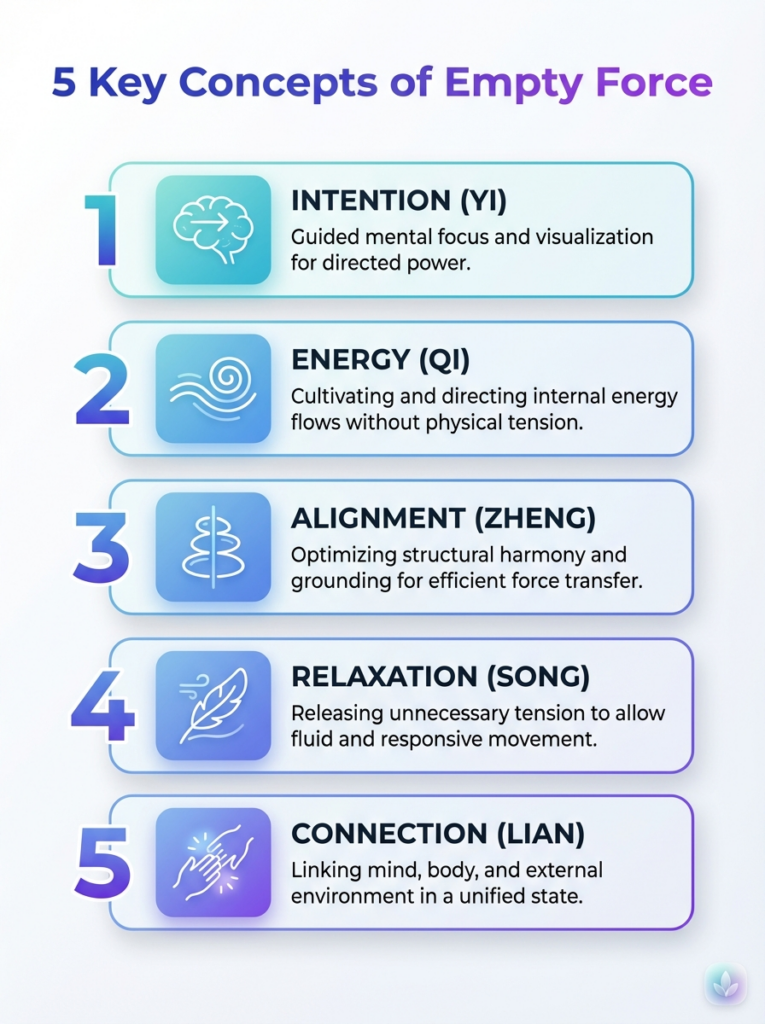
This infographic breaks down the five core concepts of Empty Force. It shows how these principles connect and apply in real-world scenarios.
4. How Qigong, Tai Chi, And Taoist Yoga Frame Empty Force
In traditional Qigong and Taoist Yoga, what people call Empty Force usually appears late in training, after years of work with standing postures, breath regulation, and focused awareness.
Harvard-affiliated programs that review Tai Chi and Qigong research highlight possible benefits in areas like balance, stress reduction, and overall well-being, which provide a realistic framework for practice even when paranormal claims are set aside.
From this view, distance effects are seen less as magical blasts and more as subtle outcomes of structure, timing, intention, and the partner’s own nervous system responses.
We find that when students focus on these concrete variables, their skill in martial arts and daily movement improves whether or not they ever experience dramatic “force at a distance.”
5. Building The Foundation: Breathing, Standing, And Emotional Balance
Empty Force training begins with how you stand, breathe, and manage your emotional state, not with pushing people across the room.
Simple-seeming methods like standing meditation, slow abdominal breathing, and gentle inner smiling can create the stable internal platform that more advanced work depends on.
Breathing And Ki Cultivation
We often point students toward foundational methods such as Katsumi Niikura’s Ki Breathing Basic Four as a way to connect breath, posture, and awareness.
These types of drills are not flashy, but they gradually change how your nervous system responds to stress and physical contact.
Inner Smile And Six Healing Sounds
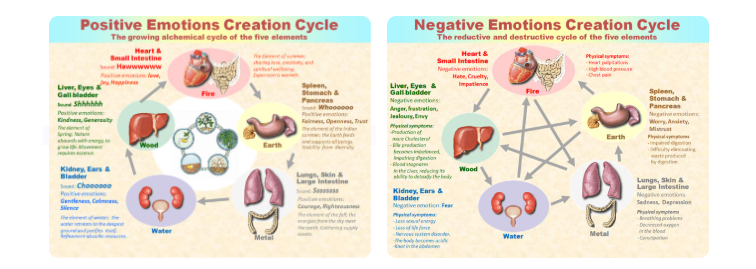
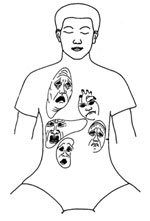
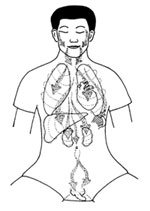
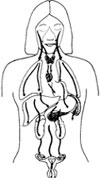
Emotional regulation is another critical layer, and Inner Smile work, such as that shown in our Six Healing Sounds material, approaches the organs and emotions as a single integrated system.
By softening chronic tension and emotional reactivity, you create the relaxed, springy body often associated with advanced internal skills, including any realistic interpretation of Empty Force.

6. Step-By-Step Empty Force Progression
We have found that students benefit from a clear progression, which is why we structured material like “Empty Force Step by Step” around layered skill development rather than quick tricks.
The goal is to gradually refine body alignment, relaxation, and intent so that even small movements begin to have a strong effect on partners.
- Stage 1: Static standing, basic breathing, and structural alignment.
- Stage 2: Slow movement, awareness of weight shifts, and partner sensitivity drills with light touch.
- Stage 3: Subtle leading of a partner’s balance with minimal visible motion.
- Stage 4: Exploration of distance effects, while keeping a realistic and critical perspective.
We always remind students that each stage can take months or years, and that patience is part of the practice.
7. Internal Power Training: From Himm Kong To Shaolin Nei Jing
Empty Force is only one expression of internal power, and it sits alongside other methods such as Himm Kong Power Exercises and Shaolin Nei Jing Yi Zhi Chan Qigong.
Each of these frameworks addresses how to store, circulate, and express force from the whole body instead of relying only on muscles.
| Method | Focus | Relevance To Empty Force |
|---|---|---|
| Himm Kong Power Exercises | Intermediate internal strength, structured sets | Helps develop body-wide power that can later be expressed with minimal motion. |
| Shaolin Nei Jing Yi Zhi Chan Qigong | Advanced Shaolin internal training | Builds concentration and rootedness that support Empty Force style skills. |
| Zhang Zhuang Standing | Static postural alignment and stillness | Provides the structural base for any subtle projection of force. |
When students combine these methods with clear feedback from partners, their understanding of what internal power really feels like becomes much more tangible.
8. Eyewitness Paranormal Accounts: John Chang, “Magus of Java,” And Others
Many students first hear about Empty Force through dramatic stories, such as the accounts of John Chang in “The Magus of Java,” where observers describe electric shocks, paper set alight, and distance healing sessions.
Other Qigong masters are reported to demonstrate feats like resisting spears at the throat, extreme heat generation, or moving multiple students with a small gesture.
We value these stories and their effect on students, but we urge you to use them as motivation to train regularly instead of as a standard for yourself.
Most of these accounts are not replicated under strict conditions, so we prefer to treat them as personal reports that sit alongside, but not above, your own direct experience in practice.
9. How Modern Research On Qigong And Tai Chi Fits In
Harvard-associated health publications that review Tai Chi and Qigong studies often point toward potential improvements in balance, coordination, mood, and perceived quality of life for regular practitioners.
They usually do not test or comment on paranormal Empty Force abilities, which is an important distinction for anyone who wants to stay grounded.
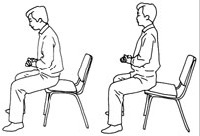
- Improved balance and reduced fall risk in older adults.
- Better perceived stress management and mood.
- Support for gentle, low-impact activity in people with limited mobility.
We see Empty Force style training as sitting on top of these more basic, realistic benefits, not as a substitute for them.
10. Practicing Safely And Ethically: Our Recommendations
We always recommend that students approach Empty Force with humility, a focus on long-term health, and respect for training partners.
This means avoiding coercive demonstrations, never blaming partners if dramatic effects do not happen, and keeping your claims modest and honest.
- Track tangible changes such as relaxation, posture, and balance.
- Stay transparent that no-touch effects are not scientifically verified.
- Use partner drills to test what actually works, not what you hope will work.
By training this way, you build genuine internal skill and keep the more mysterious aspects of Empty Force in a healthy, exploratory perspective.
Conclusion
Empty Force sits at a crossroads between traditional Qigong stories, modern skepticism, and the real, measurable benefits of dedicated internal training.
If you approach it as a long-term investigation built on breathing, standing, meditation, and ethical partner work, you can gain valuable skills and insight, whether or not you ever experience the dramatic paranormal feats described in legends and books about masters like John Chang and the “Magus of Java.”