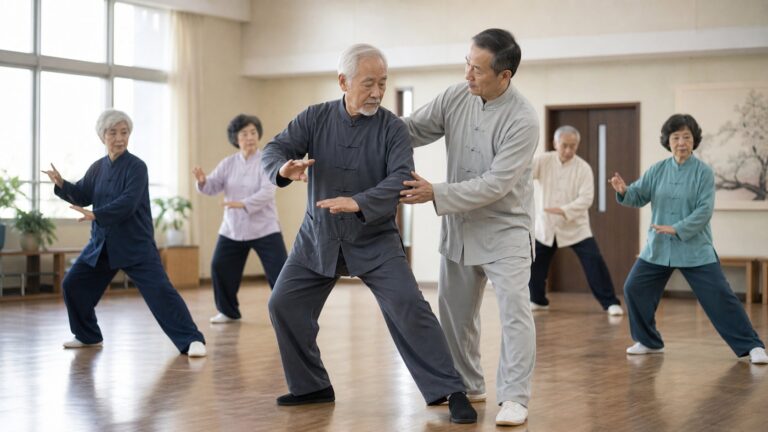
Outdoor Qigong Benefits and Techniques (2026): How to Build Real Chi in Nature

Here’s the kind of stat that makes people stop overthinking and start doing outdoor qigong benefits and techniques today, because the presence of water creates the biggest mood and self-esteem gains in “green exercise” (outdoor mindful movement). In 2026, that matters even more, because people are done with punishment workouts and they want a practical health tool that still builds Energy you can feel.
Key Takeaways
| What you get | Why it matters |
|---|---|
| Stronger Qi (real felt energy) | Outdoor conditions help you sense subtle changes faster when you relax and align. |
| Better circulation and breath | Wind, sunlight, and uneven ground make your body move more “alive,” without forcing it. |
| Stress downshift | Nature supports slower biological rhythms, so meditation and QiGong land deeper. |
| Cleaner attention | Noise and distractions become training partners, not obstacles, when you use simple focus cues. |
| More consistent practice | Because outdoor sessions are easier to repeat, you actually do the work instead of studying forever. |
| Safety and progression | We keep techniques grounded, watch joints, and build slowly, especially with Neigong. |
- Outdoor qigong benefits and techniques work best when your posture stays stable and your mind stays soft.
- If you want structured training, check our Qigong Courses so you practice what’s actually taught.
- We also teach Iron Crotch Qigong for solid, grounded Energy work.
- Start with simple standing, walking, and breath coordination, then add Neigong layers when you’re ready.
- Even if you “love meditation,” you still need body practice, because knowledge without action is impotence.
Discover five benefits of practicing outdoor qigong and learn practical techniques to practice outside.
Why Outdoor Qigong Benefits and Techniques Work Differently in 2026
Outdoor qigong benefits and techniques are not magic, they are mechanics. Your nervous system calibrates faster when your body meets changing conditions, like sunlight angle, wind texture, and real ground feedback.
In Qigong language, you’re learning to “gather Qi” with Chi and Qi while keeping the body relaxed and stable. In plain terms, you stop clenching, you breathe smoother, and your attention becomes sharper.
We see it every season, because 2026 is forcing people to choose what actually fits their life. Moving meditation is trending for a reason, it replaces frantic effort with consistent practice.
- Nature trains perception, so sensing subtle Energy becomes more real felt and less imagined.
- Attention becomes the tool, not the distraction. That’s where QiGong meets meditation.
- Breath becomes the governor. Your inhale and exhale set the rhythm for your biological rhythms.
Timing and Environment, the “Do This, Not That” Guide
If you want outdoor qigong benefits and techniques, stop treating it like a scenic activity. Treat it like training, and choose a place that supports your nervous system instead of bombarding it.
Pick a spot where you can stay consistent for weeks. A park path, a quiet yard, a shaded corner of a trail, or a lake edge with minimal crowd noise works best.
Best times in 2026:
- Morning for calmer attention, easier breath length, and cleaner transitions into Chi work.
- Late afternoon for warm muscles and better joint comfort.
- After sunset if you’re doing Neigong-style internal focus and you can stay steady without visual stimulation.
Environment rules:
- Prefer moving air (light wind) and soft light (sun filtering through trees).
- Avoid intense heat, heavy pollution zones, and areas with lots of sudden noise.
- If you have allergies, we work with it. Lower intensity, shorter sessions, and cover your exposure time.
Did You Know?
Engagement in “green exercise” (outdoor mindful movement) showed that the presence of water generates the greatest positive effects on mood and self-esteem.
Source: ACS Publications 2026
Outdoor QiGong Techniques: 5 Simple Movements You Can Start Today
We’ll keep this practical. Your first job is to stabilize your stance, coordinate breathing, and learn how your Qi moves through the body without forcing it.
In outdoor qigong benefits and techniques, the “technique” is less about fancy shapes and more about consistent intent. You want Energy to feel smoother, not sharper like a weapon.
Here are five starting techniques:
- Wu Ji Standing (quiet alignment)
- Feet grounded, knees soft, tongue relaxed behind the teeth.
- Breath flows naturally, and you feel weight sink slightly.
- Cloud Hands (front-body softness)
- Arms rise and lower like slow waves, wrists relaxed.
- Exhale gently as you sink, inhale as you float upward.
- Golden Rooster turns (shoulder and spine un-stiffening)
- Rotate from the spine, not the neck.
- Keep the pelvis stable so your Chi has a base.
- Walking meditation with Qi
- Walk slowly, feel heel to toe, and keep attention on the breath.
- Each step is a quiet “Qi circulation” cue.
- Neigong-style Stillness (eyes soft, internal focus)
- Sit or stand and relax your gaze.
- Notice sensations without chasing them, especially in the lower abdomen.
If you feel “nothing,” good. That’s the esoteric impotent trap, you’re trying to force a result. Our job is to do the work, not demand a miracle on command.
How to Use Breath, Prana, and Meditation Without Getting Stuck
People love to argue about labels. Some call it Prana, some call it Qi, some call it Chi, some connect it to chakra energy and Yoga. In practice, it’s all training your awareness plus your breath plus your posture.
In outdoor qigong benefits and techniques, breath is your steering wheel. Without it, your Energy becomes chaotic and your meditation turns into staring.
Breath cues that work outdoors:
- Inhale as if your spine gently lengthens.
- Exhale as if the lower abdomen softens and supports.
- Keep breaths unforced. If it feels like cardio, you’re doing the wrong kind of work.
Meditation integration:
“Sensing the subtle hum of your internal energy is the fastest way to achieve balance.”
So we use simple anchors. Count 1 to 10 breaths, or feel the contact points of your feet. When thoughts show up, don’t fight them, return to the anchor like you’re resetting a dial.
Neigong Layering: Going Deeper With Controlled Internal Focus
Neigong is where people either level up or get lost. The difference is discipline and patience, not intensity.
Outdoor settings can actually help Neigong, because your body becomes more sensitive. But if you chase sensations too hard, you’ll create tension and then you’ll blame “the practice.”
Layer Neigong slowly:
- Start external: 5 to 10 minutes of Qigong movement, so your Qi has a path.
- Switch to internal: soften the gaze, relax your jaw, and drop attention to the lower abdomen.
- Stay neutral: notice changes in warmth, tingling, or pressure without forcing outcomes.
- End grounding: finish with standing and a slow exhale to stabilize your system.
Safety, Progression, and the Iron Crotch Reality Check
Let’s be blunt. Outdoor qigong benefits and techniques can improve your body, but they won’t fix sloppy mechanics. If your knees collapse, if your hips lock, or if your breath stays shallow, you’re training dysfunction.
Safety checklist:
- Joint comfort first. If standing feels sharp, reduce depth or choose walking meditation.
- Soft effort. We do not use “punishment workouts” energy for QiGong.
- Weather matters. Cold joints need shorter sessions and slower transitions.
Progression plan for 2026:
- Weeks 1 to 2: 10 to 15 minutes, 3 days per week, focus on Wu Ji and slow Cloud Hands.
- Weeks 3 to 4: add walking meditation and one longer stillness segment for Neigong.
- After month one: introduce more structure from our Qigong courses, especially if you want consistent sequencing.
If you want a more grounded, tough-love approach to Internal Alchemy style training, you can explore Iron Crotch Qigong. It’s not about macho pride, it’s about building stable Energy foundations.
Magnetism, Energy, and Why Your Outdoor Practice Feels “Different”
This is where we connect the dots people usually skip. Magnetism is the body’s second nutrient, and outdoor practice naturally puts you back in a real world field of signals.
We’re not telling you to believe a vague story. We’re telling you to do the work, then check what changes. Many students report their Energy sensations get clearer outdoors, especially when their posture is calm and their breath is steady.
Also, the outdoor environment helps you stop thinking from the head only. My main advice is to not become the man looking in. Get your body in position, then let perception sharpen naturally.
Did You Know?
Approximately 20% of adults in the United States now utilize mind-body movement interventions to support their general well-being.
Source: National Institutes of Health (PMC) 2026
That adoption trend in 2026 is not “fad energy.” It’s people realizing their body needs training, not just advice. Outdoor qigong benefits and techniques fit that reality because they are doable, repeatable, and you can feel progress through Qi and breath.
And yes, we mention it often, because it’s true, our Free Qigong and Neigong training, plus our rich blog content, are built to help you practice without guesswork. You can learn the concepts, but you must also do the work.
Building a Simple Outdoor Practice Routine (10 to 25 Minutes)
If you want consistency, we give you a routine you can repeat. Not a fantasy. Not a “someday.”
10-minute plan (beginner):
- 2 minutes Wu Ji standing, feel weight and relax jaw.
- 5 minutes Cloud Hands or slow arm circles, coordinate with breath.
- 3 minutes stillness, notice sensations and return to breath.
20-minute plan (intermediate):
- 8 minutes Qigong standing and slow movement.
- 7 minutes walking meditation, heel to toe awareness.
- 5 minutes Neigong-style internal focus, soft gaze, calm belly.
25-minute plan (deeper):
- 10 minutes Qigong movement, steady posture.
- 10 minutes Neigong stillness, maintain neutral attention.
- 5 minutes grounding breaths, slow exhale to settle your system.
If you practice Yoga or meditation already, you’re not “behind.” You’re just missing the body-based Energy training layer. Outdoor qigong benefits and techniques give you that bridge between meditation and real felt Chi, Qi, and Energy.
Conclusion: Your Next Outdoor Session Should Be Simple, Real, and Repeatable
Outdoor qigong benefits and techniques work because they combine body alignment, breath control, and attention training in a real environment. In 2026, more people are choosing mind-body movement for health, and we want you to be one of them, the kind who actually practices, not the kind who only watches.
Start with stable standing, add slow movement, then layer Neigong with controlled internal focus. Keep it safe, keep it consistent, and let your senses learn what Qi feels like in your own body.
And if you want support that doesn’t leave you guessing, we invite you to our Free Qigong and Neigong training and to explore our rich blog content, because the fastest path is still doing the work, day after day, outdoors when you can.
Frequently Asked Questions
What are the biggest outdoor qigong benefits and techniques for beginners?
For beginners, outdoor qigong benefits and techniques usually start with grounding and breath coordination, because that’s where Qi and Chi feel most natural. We recommend Wu Ji standing, slow Cloud Hands, and a short walking meditation to build consistency without forcing sensations.
How long should I practice outdoor qigong benefits and techniques in 2026?
In 2026, most people do best with 10 to 20 minutes at a time, because it fits real life and still supports meditation and QiGong. If you want deeper Neigong, add a calm stillness segment after you warm up with movement.
Is Neigong safe to practice outdoors?
Yes, but outdoor Neigong should stay controlled and neutral at first. Use outdoor qigong benefits and techniques by starting with Qigong movement, then switch to soft internal focus, and stop if you notice sharp discomfort in joints or breath becomes strained.
Do outdoor qigong benefits and techniques work if I don’t feel my Qi yet?
They work, because QiGong is training perception and nervous system regulation, not chasing instant fireworks. Keep attention on breath and posture, and let real felt energy develop gradually through repetition of outdoor qigong benefits and techniques.
Can I combine Yoga, chakra meditation, or prana ideas with outdoor qigong benefits and techniques?
You can, as long as the body practice stays real and your breath stays unforced. Many students connect outdoor QiGong to chakra awareness and prana concepts, but we focus on the practical results, smoother breathing and clearer attention.
What should I do if wind or noise disrupts my outdoor qigong benefits and techniques?
Use it as training. Outdoor qigong benefits and techniques improve when you keep a soft mind and return to breath anchors, even if the environment is not perfect.
Where can I find structured outdoor qigong benefits and techniques training?
We recommend using our Free Qigong and Neigong training and exploring our structured course pathways in our Qigong courses. If you want grounded internal work, you can also look into Iron Crotch Qigong for a consistent approach to building Energy and stability.