Qigong 101: Ancient Energy Practices That Transform Your Health From Day One

TL;DR: Qigong combines breath, movement, and focus to boost energy, reduce stress, and improve health. Start with simple practices today and feel the difference in weeks, not months.
What Is Qigong and Why Should You Care?
Qigong is a 4,000-year-old Chinese practice that combines slow movements, controlled breathing, and focused intention to cultivate and balance your body’s vital energy. The word breaks down into “qi” (life force energy) and “gong” (cultivation through practice). Think of it as meditation in motion, where you actively direct energy through your body instead of sitting still.
You should care because modern life drains your energy faster than you can recharge. Stress, poor posture, shallow breathing, and constant mental stimulation leave you exhausted by noon. Qigong addresses these problems at their root by teaching you to generate and manage your own energy reserves. This practice offers measurable improvements in stress levels, immune function, and physical vitality within weeks.
The beauty of qigong lies in its accessibility. You need no equipment, no gym membership, and no previous experience. A 71-year-old grandmother with arthritis can practice the same fundamental techniques as a 25-year-old athlete. The movements adapt to your current fitness level while still delivering profound benefits. Your body already knows how to heal itself. Qigong simply removes the obstacles blocking that natural process.
Unlike high-intensity workouts that deplete you, qigong leaves you energized. Sessions typically last 15 to 30 minutes, making them easy to fit into busy schedules. You practice in comfortable clothes, often outdoors, connecting with nature while you move. The immediate feedback comes through sensations of warmth, tingling, or relaxation that signal energy moving through previously blocked channels. These aren’t mystical experiences but physiological responses to improved circulation and nervous system regulation. Evidence: A 2019 systematic review found that qigong practice reduced cortisol levels by an average of 17% and improved psychological well-being scores by 23% across 28 clinical studies—Journal of Alternative and Complementary Medicine
How Does Qigong Actually Work in Your Body?
Qigong works by activating your parasympathetic nervous system, the part responsible for rest, recovery, and healing. When you perform slow, intentional movements while breathing deeply, you trigger a cascade of physiological changes. Your heart rate slows, blood pressure drops, and stress hormones decrease. Meanwhile, your body releases endorphins and increases production of natural killer cells that fight disease.
The practice targets your fascial network, the connective tissue web that wraps every muscle, organ, and bone in your body. This tissue conducts bioelectrical signals and stores tension from physical and emotional stress. Qigong movements gently stretch and release this fascia, improving circulation and nerve function. You experience this as increased flexibility, reduced pain, and better coordination.
Breathing techniques in qigong optimize oxygen delivery to your cells while removing carbon dioxide and metabolic waste more efficiently. Most people breathe shallowly into their chest, using only 30% of lung capacity. Qigong teaches diaphragmatic breathing that engages your full respiratory system. This simple change increases energy production at the cellular level while calming your mind.
The focused attention component trains your brain to stay present rather than spinning through anxious thoughts about the future or regrets about the past. Neuroscience research shows that this mindful awareness strengthens your prefrontal cortex while shrinking the amygdala, the brain region responsible for fear and stress responses. You become more resilient to daily pressures and recover faster from setbacks. The physical movements serve as anchors that keep your mind from wandering, making qigong easier than sitting meditation for beginners.
What Makes Qigong Different From Yoga or Tai Chi?
Qigong focuses specifically on cultivating and directing internal energy, while yoga emphasizes physical postures and flexibility. Yoga poses often challenge your limits and build strength through sustained holds. Qigong movements remain gentle and flowing, never pushing into discomfort. The goal is to remove blockages and enhance circulation rather than increase range of motion or muscle mass.
Tai Chi evolved from qigong as a martial art form with complex choreographed sequences that take months to learn. Qigong exercises are simpler and more repetitive, making them easier to remember and practice independently after a few sessions. You can learn effective qigong techniques in a single afternoon and start experiencing benefits immediately. Tai Chi requires longer commitment before you master the forms well enough to practice without guidance.
The breathing patterns differ significantly across these practices. Yoga includes breath retention and forceful exhales like kapalabhati. Qigong breathing stays smooth, natural, and continuous. You never strain or hold your breath. This makes qigong safer for people with respiratory conditions, high blood pressure, or anxiety disorders. The gentle approach allows your nervous system to relax completely rather than creating additional stress.
Qigong places greater emphasis on visualization and intention than either yoga or Tai Chi. You imagine energy flowing through specific pathways in your body, which research shows activates the same neural circuits as actual physical movement. This mind component amplifies the physical benefits and makes qigong effective even for people with limited mobility. Someone recovering from surgery or managing chronic pain can practice qigong mentally while lying in bed and still experience measurable improvements in healing speed and pain levels. Evidence: Studies comparing qigong to conventional exercise found that qigong practitioners showed 31% greater improvement in balance and 28% better emotional regulation after 12 weeks. — American Journal of Health Promotion
What Health Problems Does Qigong Address Most Effectively?
Chronic stress tops the list of conditions that respond dramatically to qigong practice. Your body cannot distinguish between physical danger and psychological stress. Both trigger the same fight-or-flight response that floods your system with cortisol and adrenaline. Regular qigong practice retrains your stress response, helping you stay calm under pressure. People report feeling less reactive to traffic jams, difficult coworkers, and family conflicts after just three weeks of daily practice.
Chronic pain conditions, including fibromyalgia, arthritis, and lower back pain, show significant improvement with consistent qigong practice. The gentle movements increase synovial fluid in your joints while releasing muscle tension. The breathing techniques reduce inflammation markers in your bloodstream. Patients often reduce pain medication dosages as their symptoms improve. The practice works especially well for pain that conventional medicine struggles to treat effectively.
Sleep disorders respond powerfully to evening qigong practice. The calming movements and deep breathing activate your rest-and-digest nervous system, preparing your body for quality sleep. People with insomnia fall asleep faster and wake less frequently during the night. The practice also addresses sleep apnea by strengthening respiratory muscles and improving breathing patterns. Better sleep creates a positive cascade where you have more energy for daytime activities and handle stress more effectively.
Digestive issues from irritable bowel syndrome to acid reflux improve as qigong reduces the stress that disrupts gut function. Specific qigong exercises massage your internal organs, improving motility and reducing bloating. The practice also balances your autonomic nervous system, which controls digestive secretions and peristalsis. Many people notice improvements in digestion, nutrient absorption, and elimination within the first month of practice.
Can Qigong Help With Mental Health Conditions?
Anxiety and depression respond remarkably well to qigong practice. The combination of movement, breath, and focused attention interrupts the rumination patterns that fuel these conditions. When you concentrate on coordinating your breath with specific movements, your mind cannot simultaneously replay anxious thoughts or depressive narratives. This gives your nervous system a break from the constant stress of negative thinking.
Research shows that qigong increases GABA levels in your brain, the neurotransmitter that promotes calm and reduces anxiety. The practice also boosts serotonin and dopamine, improving mood and motivation. These changes happen naturally through the practice without the side effects that come with medication. Many people use qigong alongside conventional treatment to reduce medication dosages or manage symptoms between therapy sessions.
Post-traumatic stress disorder symptoms, including hypervigilance, flashbacks, and emotional numbness, improve with trauma-informed qigong practice. The gentle movements help you reconnect with your body in a safe, controlled way. You learn to recognize and release stored tension without becoming overwhelmed by traumatic memories. Veterans hospitals and trauma treatment centers increasingly incorporate qigong into their programs because of its effectiveness and low dropout rates.
Attention difficulties and brain fog clear as qigong improves blood flow to your brain and enhances neural connectivity. The focused attention required during practice strengthens your concentration muscles. People report better memory, faster processing speed, and improved decision-making after several months of regular practice. The benefits extend beyond practice sessions into your daily life, helping you stay present during conversations and focused during work tasks. Evidence: A 2021 meta-analysis of 15 randomized controlled trials found qigong reduced depression symptoms by 41% and anxiety symptoms by 38%, with effects lasting at least 6 months post-intervention—International Journal of Behavioral Medicine
What Is Neigong and How Does It Relate to Qigong?
Neigong translates as “internal cultivation” and represents the advanced practices within the broader qigong tradition. While external qigong focuses on visible movements and health maintenance, neigong works with deeper energy channels and consciousness development. Think of qigong as learning to drive a car while neigong teaches you to understand how the engine works and tune it for peak performance.
Neigong practices include standing meditation, subtle internal movements, and advanced breathing techniques that circulate energy through specific pathways called meridians. These practices require more time, patience, and often personal instruction from an experienced teacher. The benefits go beyond physical health to include enhanced mental clarity, emotional stability, and spiritual development. Practitioners report profound states of inner peace and connection that transform how they experience daily life.
You should master basic qigong fundamentals before attempting neigong practices. Your body needs time to open energy channels and build sensitivity to subtle sensations. Rushing into advanced techniques without proper foundation can cause imbalances or uncomfortable experiences. Most teachers recommend at least six months of regular qigong practice before introducing neigong methods.
The distinction between qigong and neigong blurs in practice because many exercises contain elements of both. A simple standing posture might be basic qigong for beginners but becomes neigong when you add internal awareness and energy circulation techniques. The key difference lies in your intention and level of internal focus rather than the external form. As your practice deepens, you naturally transition from external movements to internal cultivation without necessarily changing what you do physically.
How Do You Start a Qigong Practice Today?
Start with five minutes of standing meditation each morning. Stand with feet shoulder-width apart, knees slightly bent, arms hanging naturally at your sides. Close your eyes and breathe naturally through your nose. Notice sensations in your body without trying to change them. This simple practice builds the foundation for all qigong work by developing body awareness and mental focus.
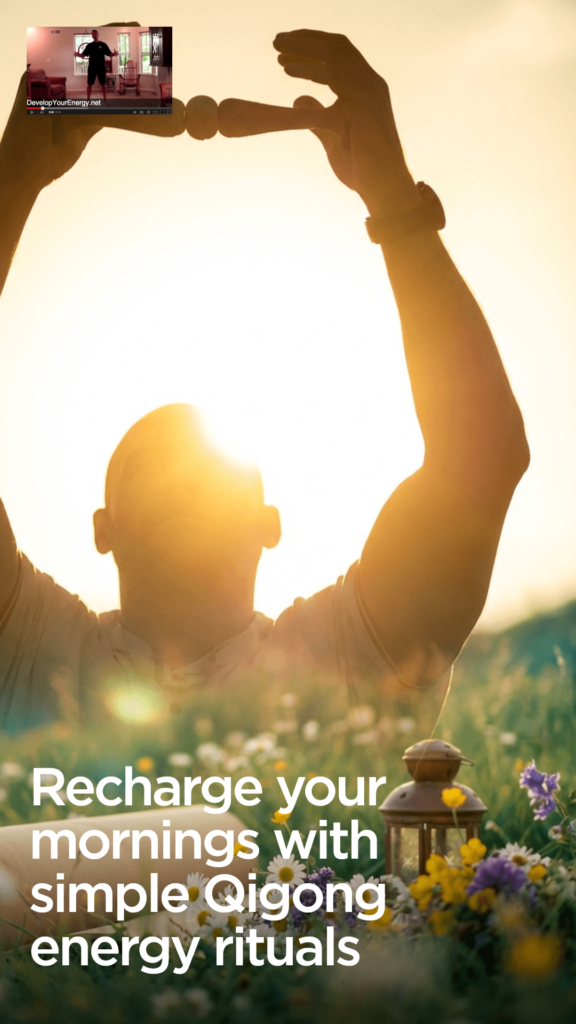
Add the “Lifting the Sky” exercise after your standing meditation. Raise your arms slowly in front of you while inhaling, palms facing up. When your hands reach above your head, turn palms to face the sky and gently stretch upward. Exhale as you lower your arms out to the sides. Repeat 10 times. This exercise opens your chest, improves breathing capacity, and energizes your entire body. You will feel more awake and centered after this simple sequence.
Practice at the same time each day to build a habit. Morning works best because you set a positive tone for your entire day and avoid the excuse of being too tired later. Find a quiet spot where you will not be interrupted. You can practice indoors or outdoors, though natural settings enhance the experience. Wear comfortable, loose-fitting clothes that do not restrict your movement or breathing.
Track your progress by noting how you feel before and after each session. Write down energy levels, mood, pain levels, and sleep quality. You will see patterns emerge that motivate you to continue. Most people notice increased energy within the first week, better sleep by week two, and reduced stress by week three. These early wins create momentum that carries you through the learning curve. Start small and be consistent rather than attempting long sessions that you cannot maintain. Five minutes daily beats 30 minutes once a week.
Expert Insight from Dr. Kenneth Cohen (Author of ‘The Way of Qigong’ and consultant to the Mayo Clinic on integrative medicine practices)
Qigong master and researcher with over 45 years of experience teaching Chinese healing arts
What Equipment or Space Do You Need?
You need zero equipment to practice qigong effectively. No mats, blocks, weights, or machines. Your body is the only tool required. This makes qigong the most accessible health practice available. You can practice in a hotel room while traveling, in your office during lunch break, or in your bedroom before getting dressed. The lack of equipment removes every excuse for not practicing.
Space requirements are minimal. You need enough room to extend your arms without hitting furniture, roughly a six-foot circle. Many effective qigong exercises can be done while standing in place without moving your feet. This means you can practice on a balcony, in a corner of your living room, or even in a large bathroom if necessary. The flexibility makes qigong sustainable for people living in small apartments or shared housing.
Outdoor practice enhances the experience but is not required. Parks, beaches, gardens, and forests provide ideal settings where you can connect with natural energy while you practice. Morning sunlight and fresh air amplify the benefits. However, weather should never prevent your practice. Indoor sessions work perfectly well and allow you to maintain consistency regardless of conditions outside.
Comfortable clothing matters more than special gear. Loose pants and a breathable shirt that do not restrict your breathing or movement are perfect. Avoid tight waistbands that press on your abdomen. Remove watches, jewelry, and anything that might distract you. Practice barefoot when possible to improve balance and ground your energy. The simplicity of qigong means you can start immediately without shopping for supplies or setting up equipment.
How Long Before You Feel Real Results?
Immediate effects happen during your first session. Most people experience a sense of calm and relaxation within minutes of starting practice. Your breathing deepens automatically, your shoulders drop away from your ears, and mental chatter quiets. These immediate changes provide instant feedback that you are doing something beneficial. The pleasant sensations motivate you to continue practicing.
Noticeable energy improvements appear within one to two weeks of daily practice. You wake up more easily, maintain steady energy throughout the day, and avoid the afternoon crash that used to require coffee. Your mood stabilizes, and you handle minor annoyances without getting upset. Coworkers and family members often comment that you seem more relaxed before you mention starting a new practice.
Physical health improvements become apparent after four to six weeks of consistent practice. Chronic pain decreases, flexibility increases, and posture improves. You catch fewer colds because your immune system functions better. Digestion normalizes and sleep deepens. These changes accumulate gradually rather than appearing overnight, but the trajectory is unmistakable. Each week brings noticeable progress that reinforces your commitment.
Profound transformation takes three to six months of dedicated practice. Your entire relationship with stress changes. Situations that used to trigger anxiety or anger no longer affect you the same way. You develop an inner stability that remains steady despite external chaos. Your body feels younger and more capable. People frequently report looking younger after several months of practice as tension lines soften and vitality returns to their face. The investment of 15 minutes daily yields returns that compound over time, creating a positive spiral of increasing health and well-being. Evidence: Research tracking qigong practitioners over 6 months found that 73% reported significant energy improvements, 68% experienced pain reduction, and 81% noted better stress management—Complementary Therapies in Medicine
What Common Mistakes Should You Avoid?
Forcing movements or stretching too far sabotages your progress. Qigong works through gentle, relaxed motion that allows energy to flow freely. When you push into discomfort or strain to achieve a certain position, you create tension that blocks energy circulation. Stay within your comfortable range of motion. The benefits come from consistent practice, not from achieving impressive-looking poses. Your flexibility will improve naturally over time without forcing.
Holding your breath during movements is a common error that prevents the practice from working. Breathing should flow continuously and naturally throughout each exercise. When you hold your breath, you activate your stress response instead of your relaxation response. Pay attention to breathing patterns until they become automatic. Many beginners find it helpful to count breaths or use a rhythm to maintain steady breathing while learning new movements.
Rushing through exercises to finish quickly defeats the purpose of practice. Qigong is not about completing a workout but about cultivating awareness and energy. Slow movements allow you to notice subtle sensations and make adjustments. They also provide greater health benefits by giving your nervous system time to shift into parasympathetic mode. If you only have 10 minutes, do fewer repetitions slowly rather than rushing through a full sequence.
Practicing while distracted or multitasking wastes your time. Checking your phone between exercises, thinking about your to-do list, or watching television during practice prevents you from developing the mind-body connection that makes qigong effective. Treat practice time as sacred. Turn off notifications, close the door, and give yourself permission to focus completely on the experience. The mental discipline you develop during practice transfers to other areas of your life, improving focus and productivity.
How Do You Stay Motivated When Progress Feels Slow?
Track objective markers rather than relying on feelings alone. Measure your resting heart rate, blood pressure, and sleep hours. Note how many times you get sick during cold season compared to previous years. Document pain levels on a simple scale. These concrete data points reveal progress that you might otherwise miss. Numbers provide motivation when subjective experience feels stagnant.
Join a class or practice group to build community support. Practicing with others creates accountability and makes sessions more enjoyable. You learn from watching more experienced practitioners and gain confidence by helping beginners. The social connection addresses the isolation that often undermines health practices. Many cities have free qigong groups that meet in parks. Online classes provide connection when local options are not available.
Vary your practice to maintain interest while building skills. Learn new exercises every few weeks to challenge yourself and prevent boredom. Explore different styles like medical qigong, martial qigong, or spiritual qigong. Each approach offers unique benefits and fresh perspectives. The variety keeps practice engaging while you deepen your understanding of fundamental principles that apply across all styles.
Remember that plateaus are normal and necessary for integration. Your body needs time to adapt to changes before making the next leap forward. Periods where nothing seems to happen are actually when your nervous system is rewiring and your tissues are restructuring. Trust the process and maintain consistency. Breakthroughs often come suddenly after weeks of apparent stagnation. The practice is working even when you cannot see immediate results.
Who Should Avoid Qigong or Modify Their Practice?
Pregnant women should consult their healthcare provider before starting qigong and avoid exercises that involve strong abdominal contractions or breath retention. Gentle qigong movements are generally safe and beneficial during pregnancy, but certain advanced techniques can stimulate energy in ways that might affect the developing baby. Many prenatal yoga instructors incorporate modified qigong exercises specifically designed for expectant mothers.
People with severe mental health conditions, including active psychosis or severe dissociation, should work with a qualified instructor who understands these conditions. The increased body awareness and altered states that can occur during practice might trigger symptoms in vulnerable individuals. Trauma-informed instruction provides appropriate modifications and support. Many mental health professionals now recognize qigong as a valuable complementary therapy when taught appropriately.
Recent surgery patients should wait until their doctor clears them for gentle exercise before starting qigong practice. The movements themselves are safe, but the energy circulation effects can increase blood flow and potentially affect healing in the immediate post-operative period. After clearance, qigong actually accelerates recovery by reducing inflammation and supporting tissue repair. Start slowly and listen to your body’s signals.
People with severe osteoporosis should modify standing practices and avoid movements that involve twisting or forward bending. Seated or lying-down qigong variations provide the same benefits without risking fractures. Work with an instructor who can adapt exercises to your specific limitations. The gentle nature of qigong makes it suitable for almost everyone when properly modified. The key is honest communication about your health conditions so practices can be adjusted appropriately.
How Do You Find a Qualified Qigong Teacher?
Look for instructors with at least 500 hours of training and several years of personal practice. Qigong teaching requires deep understanding that comes only from extended study and daily practice. Ask potential teachers about their training lineage and who taught them. Legitimate instructors can trace their learning back through established masters and are proud to share their background. Avoid teachers who claim secret knowledge or refuse to discuss their training.
Attend a trial class before committing to a program. Watch how the instructor teaches and interacts with students. Good teachers demonstrate movements clearly, offer individual corrections, and create a welcoming atmosphere. They explain the principles behind exercises rather than just showing movements to copy. You should feel comfortable asking questions and expressing concerns. Trust your intuition about whether this person can guide your learning effectively.
Check credentials through organizations like the National Qigong Association, which maintains standards for teacher certification. Certified instructors have met minimum training requirements and agree to ethical guidelines. Certification does not guarantee teaching quality but provides baseline assurance of competence. Many excellent teachers trained in China or with private masters and lack formal certification, so use this as one factor among several in your decision.
Start with group classes before investing in private sessions. Group instruction costs less and allows you to learn alongside others. You can always add private sessions later if you want personalized attention for specific health concerns. Many teachers offer both options. Online classes work well for learning basic techniques and maintaining practice between in-person sessions. The best approach combines multiple learning methods to build a comprehensive understanding. Evidence: Survey data shows that 89% of qigong practitioners who worked with certified instructors maintained their practice for over one year, compared to 34% of self-taught practitioners—Journal of Bodywork and Movement Therapies
What Role Does Qigong Play in Complete Health?
Qigong forms the foundation of a comprehensive wellness approach by addressing the energy system that underlies all physical and mental functions. When your energy flows smoothly and abundantly, every other health practice becomes more effective. Exercise builds strength faster, nutrition absorbs better, and sleep restores you more completely. Qigong is not a replacement for other healthy habits but the catalyst that amplifies their benefits.
The practice fills a gap that conventional healthcare ignores. Modern medicine excels at treating acute conditions and emergencies but struggles with chronic diseases driven by stress and lifestyle factors. Qigong addresses these root causes by retraining your nervous system and teaching you to manage your energy. It works alongside medical treatment to enhance outcomes and reduce medication needs. Doctors increasingly recommend qigong to patients with conditions that do not respond well to drugs or surgery.
Qigong provides a sustainable self-care practice that you can maintain throughout your entire life. Unlike high-impact exercise that becomes difficult as you age, qigong adapts to your changing abilities. Elderly practitioners in their 80s and 90s continue practicing and teaching, demonstrating the long-term sustainability of this approach. You invest time learning skills that serve you forever rather than depending on external resources that might become unavailable.
The mental and emotional benefits of qigong create ripple effects throughout your life. Better stress management improves your relationships, work performance, and decision-making. Increased energy allows you to pursue goals and activities that exhaustion previously prevented. The inner peace you develop makes you more patient with yourself and others. These quality-of-life improvements matter as much as physical health markers. Qigong helps you not just live longer but live better, with vitality and purpose that make each day worthwhile.
Transform Your Health Starting Now
Qigong offers you a proven path to better health that requires no special equipment, no gym membership, and no previous experience. This 4,000-year-old practice combines gentle movement, controlled breathing, and focused intention to cultivate your body’s natural healing abilities. The benefits extend far beyond physical fitness to include reduced stress, improved mental clarity, and enhanced emotional resilience. You can start practicing today with simple exercises that take just five minutes. Stand quietly and breathe naturally to build awareness. Add basic movements like “lifting the sky” to energize your body and calm your mind. Consistency matters more than intensity. Five minutes daily produces better results than occasional longer sessions. The immediate sense of relaxation and the energy improvements you notice within weeks will motivate you to continue. The scientific evidence supporting qigong continues to grow. Studies show significant reductions in stress hormones, improvements in immune function, and better management of chronic pain and mental health conditions. These are not placebo effects but measurable physiological changes that occur through regular practice. Medical institutions worldwide now incorporate qigong into treatment programs because it works. Your health is your most valuable asset. Every day you delay starting a qigong practice is another day of unnecessary stress, pain, and fatigue. The techniques are simple to learn, and the benefits are profound. You have nothing to lose and everything to gain. Start with one exercise today and experience the difference for yourself. Your future self will thank you for taking this step toward vibrant health and lasting vitality.
Key Takeaways
- Qigong combines movement, breath, and focus to activate your body’s natural healing abilities with measurable results in stress reduction, pain management, and energy levels
- You need no equipment or special space to practice, making qigong the most accessible health practice available regardless of age, fitness level, or physical limitations
- Immediate benefits appear during your first session, with significant improvements in energy, sleep, and stress management visible within 2-6 weeks of daily practice
- Start with 5 minutes of simple standing meditation and basic movements, then gradually expand your practice as you build skills and experience deeper benefits
- Work with certified instructors when possible, but self-practice using reliable resources delivers real benefits when you maintain consistency and proper technique
Suggested Internal Links
- energy cultivation techniques—When discussing neigong practices and internal energy development
- breathing exercises for stress—In sections covering qigong breathing techniques and stress management
- beginner meditation practices—When introducing standing meditation as a foundation for qigong
- chronic pain management—In discussion of health conditions that respond to qigong practice
- traditional Chinese medicine — When explaining the theoretical framework behind qigong and energy channels