# Qigong and Neigong Training: Understanding Ancient Practices for Modern Life
The ancient Chinese arts of Qigong and Neigong have captivated practitioners around the world for thousands of years. These sophisticated training systems focus on cultivating and refining internal energy, offering pathways to improved health, mental clarity, and spiritual development. While both practices share common roots in traditional Chinese medicine and philosophy, they represent distinct approaches to working with the body’s subtle energy systems.
Ancient Chinese energy practices Qigong and Neigong offer paths to better health, mental clarity, and spiritual growth through sophisticated internal training systems.
Understanding the Foundations of Energy Cultivation
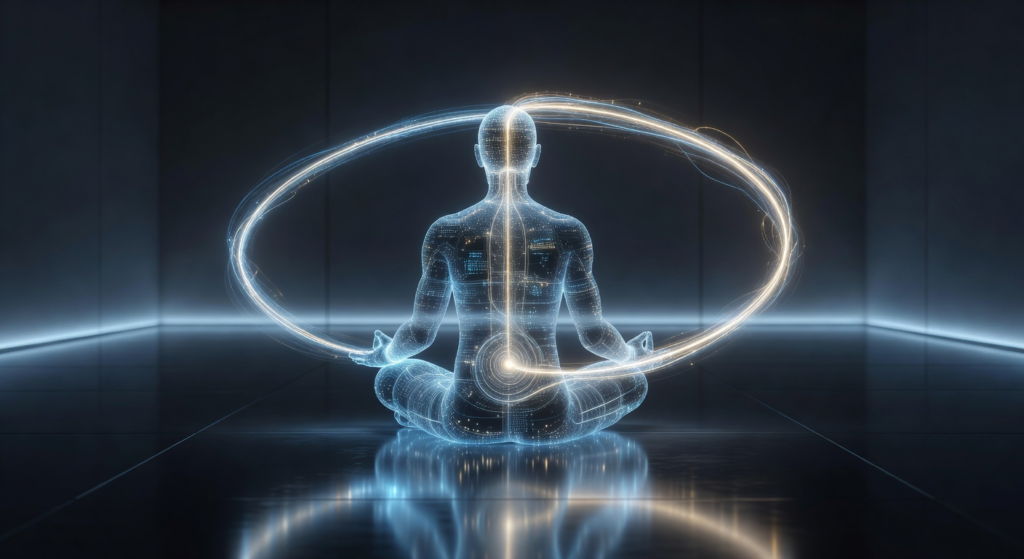
At the heart of both Qigong and Neigong lies the concept of Qi, often translated as “life force energy” or bioenergy. This vital energy flows through every living being, animating our bodies and connecting us to the natural world. Traditional Chinese medicine teaches that Qi circulates through pathways called meridians, nourishing our organs and tissues while maintaining balance between opposing forces.
The concept of Qi might seem abstract to Western minds, but practitioners describe tangible sensations during practice: warmth, tingling, pressure, or feelings of expansion. These physical experiences point to real changes occurring within the body’s energy systems, even if modern science has yet to fully explain the mechanisms involved.
Life force energy exists in multiple forms throughout the body. Some Qi comes from the air we breathe, some from the food we eat, and some is inherited from our parents at birth. Through dedicated training, practitioners learn to accumulate, refine, and direct this energy for various purposes, from healing injuries to enhancing mental capabilities.
Qigong: The Art of Energy Work
Qigong, which translates roughly as “working with energy,” encompasses thousands of different practices developed over millennia. These range from gentle, meditative movements to more vigorous exercises designed to stimulate energy flow. Most Qigong practices can be learned relatively quickly and provide immediate benefits to health and wellbeing.
The beauty of Qigong lies in its accessibility. Practitioners of all ages and fitness levels can participate, adapting movements to their individual capabilities. Some forms emphasize slow, flowing movements coordinated with breathing patterns. Others involve standing meditation, where practitioners hold specific postures while cultivating awareness of internal sensations.
Medical Qigong focuses specifically on healing applications. Practitioners learn to sense blockages in their own meridians and use specific movements, breathing techniques, and mental focus to restore smooth energy flow. Over time, this self-healing practice can address chronic conditions, reduce stress, and strengthen the immune system.
Martial Qigong takes a different approach, training practitioners to generate explosive power and develop resilience against impacts. These forms often appear more dynamic, incorporating striking movements, stamping footwork, and forceful breathing patterns. The same bioenergy that heals can be directed outward for martial applications.
Neigong: The Path of Internal Cultivation
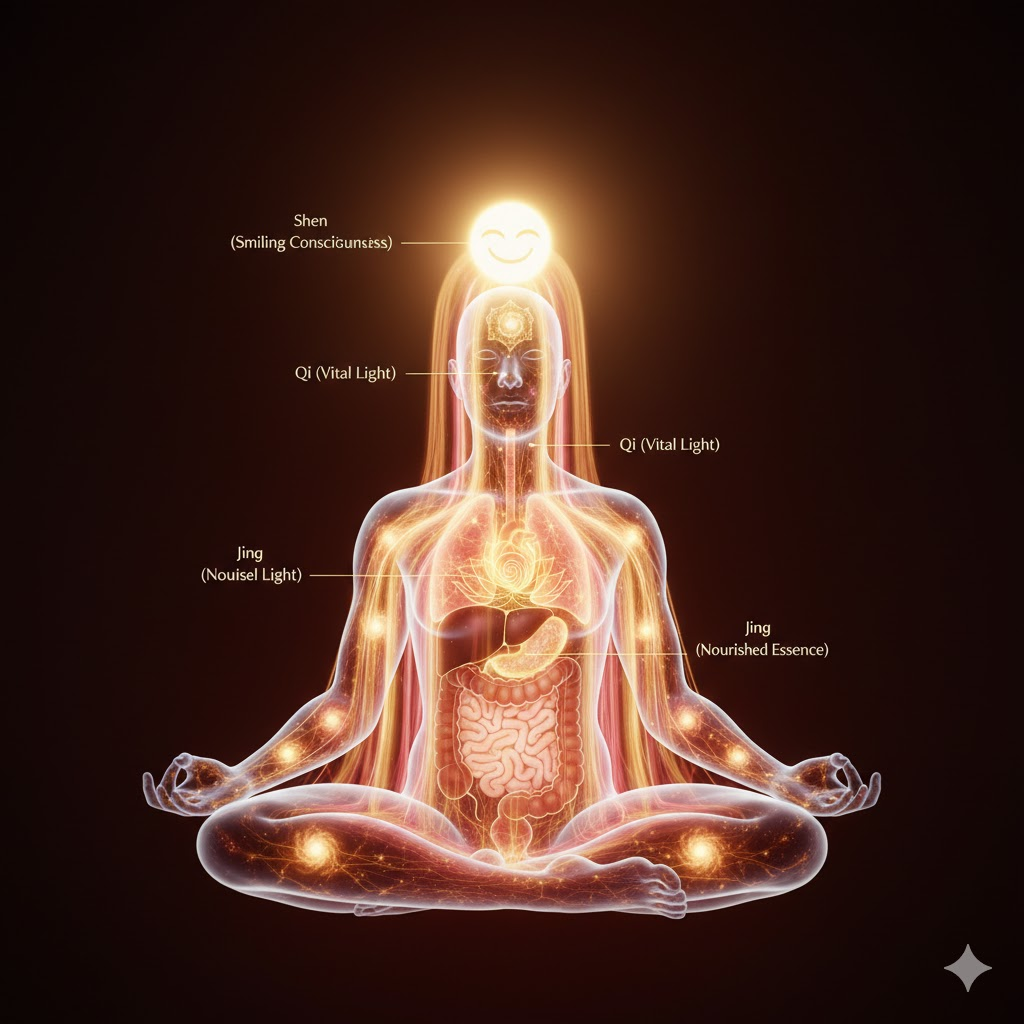
Neigong translates as “internal work” or “internal skill,” and represents a more sophisticated level of energy training. While Qigong primarily works with Qi through relatively simple methods, Neigong involves systematic transformation of the body’s energy systems at deeper levels. This progression requires patient dedication and often benefits from direct transmission through a qualified teacher.
The training methods of Neigong are more complex and subtle than typical Qigong practice. Rather than focusing on external movements, Neigong emphasizes internal processes: refining breathing patterns to microscopic levels, directing awareness through specific energy channels, and transforming gross energy into more refined forms.
One central focus of Neigong training involves developing the Dan Tien, energy centers located in the lower abdomen, chest, and head. The lower Dan Tien, situated approximately three finger widths below the navel and deep inside the body, receives particular attention in most systems. This area serves as the body’s primary battery, storing and generating internal energy for various applications.
Through consistent practice, the lower Dan Tien becomes a palpable presence, often described as a warm, heavy ball of energy. As this center strengthens, practitioners can draw from greater reserves of vitality, maintaining energy levels throughout demanding days and recovering more quickly from illness or injury.
The Role of Organs in Internal Energy Practice
Traditional Chinese medicine recognizes that organs function as more than just physical structures. Each organ possesses energetic qualities and emotional associations, contributing to our overall wellbeing in ways that extend beyond mechanical function. The system classifies organs into Yin and Yang categories based on their energetic nature.
The Yin organs include the Heart, Liver, Spleen, Lungs, and Kidneys. These organs are considered more substantial and storage-oriented, holding and transforming various forms of Qi and blood. The Yang organs—Small Intestine, Gallbladder, Stomach, Large Intestine, and Bladder—are more hollow and transport-oriented, processing and moving substances through the body.
Neigong training specifically addresses the energetic function of these Yin and Yang internal organs. Through specialized breathing patterns, visualization techniques, and postural alignments, practitioners learn to sense and influence organ energy. This refined awareness allows them to detect imbalances before they manifest as physical symptoms.
For example, the Kidneys store what Chinese medicine calls “essence,” the fundamental energy inherited from our parents that governs growth, development, and reproduction. Neigong practices designed to strengthen Kidney energy can slow aging processes, improve bone density, and enhance reproductive vitality.
The Heart, considered the emperor of the organs, houses the spirit and governs consciousness. Heart-focused Neigong practices calm the mind, reduce anxiety, and cultivate the clarity needed for meditation and spiritual development.
Breathing and Energy Transformation
Breath serves as the bridge between body and mind, and both Qigong and Neigong place tremendous emphasis on refined breathing methods. Beginning students typically learn basic breath coordination with simple movements. As skill develops, breathing becomes increasingly subtle and sophisticated.
Advanced practitioners develop what’s called “embryonic breathing,” where breath appears to stop entirely at the nostrils while energy continues circulating through internal pathways. This profound state of internal respiration allows the body to enter deeply restorative states, accessing levels of healing and transformation unavailable through normal consciousness.
Different breathing patterns produce specific effects on the nervous system and energy body. Quick, forceful breathing generates heat and activates Yang energy. Slow, gentle breathing calms the system and nourishes Yin energy. By varying breath patterns, practitioners can consciously shift their physiological and energetic states.
Practical Benefits and Applications
The health benefits documented by practitioners and researchers include reduced blood pressure, improved balance, better sleep quality, decreased chronic pain, and enhanced immune function. Many people report increased energy levels throughout the day, along with greater emotional stability and mental clarity.
Athletes and martial artists use these practices to enhance performance, developing power that seems disproportionate to muscular strength alone. Business professionals apply energy cultivation techniques to maintain focus during long meetings and recover quickly from demanding schedules.
Those dealing with stress, anxiety, or trauma find that gentle energy practices provide safe methods for releasing stored tension and restoring nervous system balance. The meditative aspects of both Qigong and Neigong offer pathways to inner peace that don’t require religious belief or complex philosophy.
Beginning Your Practice
Starting an energy cultivation practice requires no special equipment or unusual flexibility. Most people begin with basic Qigong forms, learning fundamental principles before advancing to more complex methods. Consistency matters more than duration—even fifteen minutes daily produces better results than occasional longer sessions.
Finding qualified instruction can accelerate progress significantly. While books and videos provide useful information, subtle aspects of energy work transmit most effectively through personal teaching. Look for instructors who demonstrate genuine skill and can explain traditional concepts in accessible terms.
The path of internal cultivation offers rewards that accumulate over time. Early benefits often appear quickly, but the deeper transformations of Neigong unfold gradually through years of dedicated practice. Patience and persistence are the qualities that distinguish those who achieve profound results from those who sample briefly before moving on to the next technique.
Meta description
Ancient Chinese energy practices Qigong and Neigong offer paths to better health, mental clarity, and spiritual growth through sophisticated internal training systems.
Meta keywords
Qigong training, Neigong training, internal energy cultivation, Chinese martial arts, traditional Chinese medicine, Qi energy practice, ancient Chinese practices, spiritual development training, mind-body exercises, energy refinement techniques
Tags
Qigong training, Neigong training, internal energy cultivation, Chinese martial arts, traditional Chinese medicine, Qi energy practice, ancient Chinese practices, spiritual development training, mind-body exercises, energy refinement techniques

No comments yet.