
12 min read
·
20 hours ago
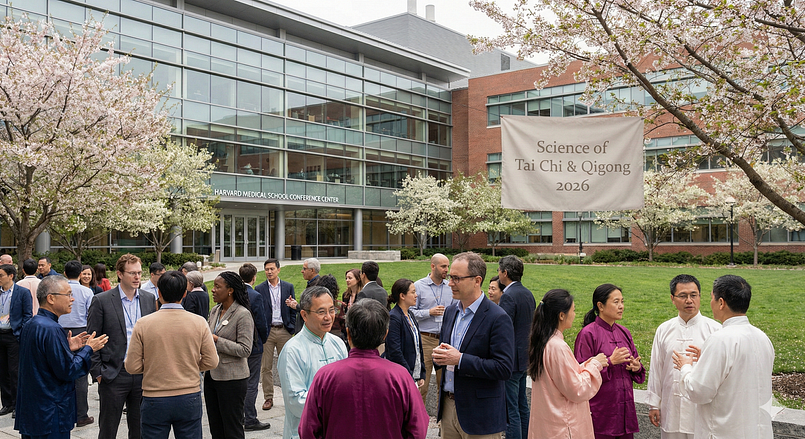
You have probably seen buzzwords like “mind-body integration” and sometimes it feels like health marketing, but then you notice Harvard, the Osher Center, and a serious 2026 conference in Boston, and the whole thing hits different because this is where soft language meets hard data, and your work might fit right in if you play it smart.
What This Conference Is About
This event is called “The Science of Tai Chi & Qigong as Whole-Person Health,” and it runs from April 30 to May 1, 2026, in Boston, Massachusetts. The Harvard Medical School Osher Center for Integrative Health hosts it, so you are not dealing with a small local meetup; you are stepping into a high-end academic space that still makes room for community teachers and innovators.
The focus is simple enough to say and deep enough to keep researchers busy for years; the conference wants to explore how Tai Chi and Qigong affect multiple physiological systems and whole-person health. Instead of talking vaguely about “energy,” the agenda pushes toward nervous system function, immune response, cognition, and real-world health outcomes.
Why Mind-Body Integration Is A Big Deal
Mind-body integration refers to the measurable interaction of thoughts, feelings, movement, and physiology in a person, rather than a mere poster slogan. Tai Chi and Qigong sit right in that zone because they mix slow movement, breathing, and attention in one session that shows up later in sleep, balance, pain, mood, and social function.
Recent work on Tai Chi and Qigong links these practices to better physical and cognitive function in older adults, with gains in balance, walking speed, and some cognitive measures. That is not fantasy marketing; that is meta-regression across 17 randomized studies, which is the sort of line your skeptical colleague listens to.
Tracks And Opportunities For You
The 2026 conference website lays out a clear structure; even if the wording is simple, there is science, technology, and implementation all baked into the theme of Tai Chi and Qigong as whole-person health. So your first move is to ask which door your work belongs in: research, tech, or implementation.
Research Track
If you are doing clinical studies or physiology work, the research side is your home base. Think about topics like:
- Pain, including low back pain programs that mix Tai Chi, Qigong, and meditation
- Sleep, anxiety, and quality of life outcomes
- Balance, fall risk, gait, and strength in older adults
- Cognitive function, attention, and mood in different age groups
One recent trial used a 12-week virtually delivered Tai Chi, Qigong, and meditation program for adults with low back pain and found small to moderate improvements in disability, pain intensity, quality of life, and sleep, with benefits still present a month later. If you run anything that looks remotely like that, even in a small pilot version, you already have a potential abstract seed.?
Technology And Innovation Track
For individuals interested in AI, app development, and data science, the tech angle provides a stimulating environment. Examples of tech-heavy topics include:
- Wearables that track heart rate variability or movement during Tai Chi
- Apps or virtual platforms that deliver Tai Chi and Qigong sessions remotely
- AI-supported feedback on posture, breathing, or sequence adherence
- Telehealth programs that combine Tai Chi with remote coaching and symptom tracking?
That same low back pain study used a virtual format to reach adults from 21 to 92 with different physical conditions, and it still produced sustained improvements. So if you are thinking about remote programs for older adults who avoid complex tech, this investigation gives you a safety net of evidence when you pitch your idea.?
Implementation And Whole-Person Health Track
The implementation side is about getting Tai Chi and Qigong out of the lab and into daily life without the wheels falling off. You are looking at:
- Hospital-based classes and rehab programs
- Senior center, community, and faith-based offerings
- Insurance or health system pilots for chronic pain or fall prevention
- Staff wellness or burnout support with movement practices
There is strong interest in making these practices accessible to older adults, people of color, women, and other groups that often get left out of “wellness” marketing. If your work deals with access, equity, language barriers, or culturally adapted programming, this conference needs your story more than another generic “relaxation” talk.
Who Should Care About This Conference
Researchers And Academics
If you study integrative health, this Boston meeting gives you:
- A high-credibility citation on your CV
- You will have the opportunity to interact with funders, reviewers, and collaborators who have a deep understanding of a chance to meet funders, reviewers, and collaborators who understand both RCTs and community programs.
The Osher Center, anchored in Harvard Medical School and Brigham and Women’s Hospital, provides you with exposure that pairs well with grant applications and tenure files.
Clinicians, Therapists, And Health Systems
For physicians, PTs, psychologists, and health administrators, the appeal is simple: you walk in with questions and walk out with examples that either passed the science test or failed in a useful way. Evidence now supports Tai Chi and Qigong for chronic pain, anxiety, sleep, and functional outcomes, and there is growing literature about whole-person health impacts and long-term aging.
If your hospital still thinks “mind-body” means a poster in the waiting room, this event arms you with citations and program models that you take back and say, “Here, this is how other systems did it.”
Tai Chi & Qigong Teachers And Schools
If you teach Tai Chi or Qigong, this is your chance to sit at the table where people decide where these arts go next in health care. Conference organizers invite practitioners, not only scientists, and the website lists teachers and community leaders among the target attendees.?
You walk away with:
- Language you use when talking to doctors and administrators
- Ideas for assessments you run in your classes
- Photos, notes, and stories you turn into blog posts and short videos that boost your authority online
Digital Health, AI, And Tech Entrepreneurs
This is where your interests hit the sweet spot, mind-body, older adults, tech hesitation, and AI as a bridge. Studies already show that virtual Tai Chi and Qigong programs work for pain and other outcomes across wide age ranges. That opens space for:?
- Simple dashboards for teachers and clinics
- AI assistants for stay-at-home practice
- Remote assessment tools for balance and fatigue
If you build affiliate sales offers, SaaS, or done-for-you services for nontechnical Tai Chi teachers or clinics, this conference gives you their pain points in live form.
How The Call For Submissions Works
The submission page for 2026 lists the event as a two-day conference on April 30 and May 1 in Boston. It also lays out deadlines for research abstracts and session proposals, with dispositions sent later to confirm acceptance. Exact dates shift a bit, so it makes sense to join the mailing list and check updates often instead of waiting for someone to nudge you the week before.?
Organizers look for solid science, clear aims, and attention to whole-person health, not fluffy claims without data. Even for implementation talks, you are encouraged to show some form of evaluation, attendance, surveys, simple outcome tracking, or at least a well-defined plan to gather data in the next phase.
Why The Science On Tai Chi & Qigong Is Getting Serious
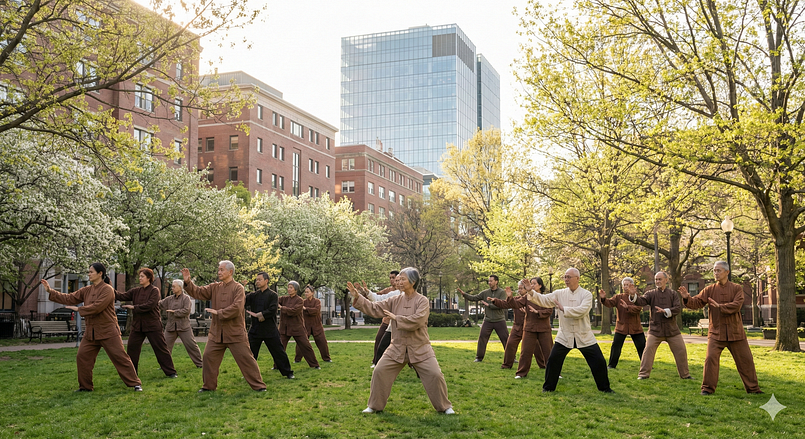
A growing body of randomized trials and meta-analyses shows real benefits. One meta-regression across 17 randomized studies found that Tai Chi and Qigong improve both physical and cognitive functions in older adults, which matters for independence and fall risk. Another study on virtual Tai Chi and Qigong for low back pain found that participants improved on pain-related disability, pain intensity, quality of life, and sleep, and those gains held up at least a month later.
Researchers also document improvements in anxiety, immune function, strength, and overall well-being across different Tai Chi programs, with real-world community classes showing benefits beyond controlled lab settings. That balance between RCTs and community translation matches the “whole-person health” idea that runs across the conference branding.
Practical Benefits For You If You Attend
Networking And Collaboration
On a practical level, this conference is a dense networking event for mind-body people who are tired of explaining what they do to blank faces at generic medical meetings. You are surrounded by researchers, clinicians, teachers, and tech folks who already agree that Tai Chi and Qigong matter, so the conversation jumps straight to “How do we measure this” or “How do we scale this program.”
Skills You Bring Home
You get methods and models, which you plug into your own work. That includes:
- Study designs that fit mind-body work
- Ways to run virtual or hybrid programs for older adults without scaring them off the first login
- Implementation frameworks for community health programs
If you are building AI tools or automation around this space, every case study and data chart is raw fuel for better prompts, better dashboards, and more useful features for teachers and clinics.
How To Leverage The Conference After Boston
Do not treat your trip like a fast food stop that you forget two days later. Before you go, decide how many content assets you want to ship afterward, maybe:
- One long blog post that recaps your biggest takeaways
- Three short videos or Reels with simple lessons for beginners
- One email sequence that educates your audience about mind-body research
You then plug internal links across your site; for example, link this conference article to a service page about “Tai Chi data dashboards for clinics” or a guide on “How to start a virtual Tai Chi class for seniors.”
FAQ About The Harvard Tai Chi & Qigong Conference 2026
Who Hosts This Conference And Where
The Osher Center for Integrative Health, jointly based at Harvard Medical School and Brigham and Women’s Hospital, hosts the event. It takes place in Boston, a short walk from other Harvard medical facilities, which makes it convenient for tours, meetings, and extra side conversations.
Do You Need To Submit Research To Attend
You do not have to be present to attend. The conference website welcomes researchers, clinicians, students, practitioners, and community members who are interested in Tai Chi, Qigong, and related mind-body practices. You can attend talks, join discussions, and network without submitting an abstract.?
Is This Only For Tai Chi People
No, not at all. The organizer list mentions multiple mind-body disciplines, including yoga, meditation, mindfulness, contemplative dance, and Feldenkrais, as welcome domains. Tai Chi and Qigong are in the title, but the focus is broader: whole-person health through movement and awareness.?
How Much Science Background Do You Need
You do not need a PhD to keep up. Some sessions are technical, but many talks and panels use plain language, especially in implementation and community tracks. If you work with people and care about what happens in their bodies and minds, you will find content that fits your level.
How To Prepare Before April 30–May 1, 2026
Update Your Practice Or Program
To maximize the benefits of the event, please consider beginning to track something simple now. Options include:
- Attendance and dropout rate
- Self-reported pain score from 0 to 10
- Sleep quality on a 1 to 5 scale
- Mood ratings or short stress scales
Research already shows Tai Chi helps with low back pain, sleep, and quality of life when delivered virtually. If you run your own mini-version, even without fancy stats, you walk into Boston with stories backed by numbers, which is rare and valuable in practitioner circles.?
Build A Small Pilot Project
You do not need a huge grant. For example:
- A 6-week community Tai Chi series for adults over 60 with before and after balance tests
- A hybrid Qigong group for people with chronic pain, delivered partly online
- A pilot where you blend Tai Chi with simple breathing practices for anxious teens
Each pilot becomes a draft case study or future abstract once you refine it, and the conference gives you feedback and structure.
Plan Your Boston Trip
Costs and logistics matter. Since the dates are fixed for April 30 and May 1, 2026, you can:
- Book travel and stay early to avoid last-minute prices
- Look for places near the Longwood Medical Area to cut commute time
- Pair the trip with other Boston meetings if you work in health or tech
Ideas For Long-Term Opportunities
Affiliate Services And Digital Products Around Mind-Body Integration
Your own interest in affiliate marketing and AI fits this event a bit like a puzzle piece that has been waiting on the table. Researchers and teachers know Tai Chi protocols, but they often struggle with websites, funnels, automation, and digital tracking.
Possible offers after you attend include:
- “Done for you” data tracking setups for mind-body clinics
- AI-assisted content packages for Tai Chi programs, newsletters, and curriculum
- Affiliate-based course platforms for older adults who prefer simple logins and clear layouts
The conference content on virtual programs, older adults, and whole-person health gives you enough authority to pitch services without sounding like you walked in from a random marketing forum.
Content And Education Spin-Offs
Use insights from Boston to:
- Build a blog series on mind-body research trends
- Offer webinars for Tai Chi and Qigong teachers about using AI and automation
- Create a micro-course on “How to turn your Tai Chi class into a study-ready program”
Each piece of content links internally to service pages, contact forms, and resource hubs, which helps your SEO and helps readers move smoothly across your site.
Closing Thoughts And Next Steps
This 2026 Harvard-affiliated conference is not another generic wellness expo; it is a focused event on Tai Chi, Qigong, and mind-body integration with strong scientific backing and a clear call for research, technology, and implementation work. If you care about older adults, chronic pain, virtual care, or AI and automation in health services, these two days in Boston could shape your projects for several years.
Simple action steps for this week:
- Join the official conference mailing list for updates and final deadlines.
- Block April 30 and May 1, 2026, on your calendar right now.?
- Draft a one-page outline for a submission, even if you refine it later.
AI Generated SEO Notes and Strategies
Meta Title:
Harvard Tai Chi & Qigong Mind-Body Integration Conference 2026: Dates, Tracks, Call For Submissions, And Tech Opportunities
Meta Description:
Discover the 2026 Harvard Osher Center conference on the science of Tai Chi and Qigong as whole-person health in Boston. Learn dates, tracks, research angles, tech ideas, and how to submit your proposal or attend as a practitioner, clinician, researcher, or digital health entrepreneur.
Core SEO and Long-Tail Keywords:
- harvard tai chi and qigong conference 2026
- mind body integration conference boston
- tai chi qigong whole person health research
- tai chi conference call for submissions 2026
- virtual tai chi qigong low back pain study?
- tai chi and qigong for older adults evidence?
- osher center integrative health conference boston?
- technology and mind body practices conference
- tai chi implementation in health systems
- tai chi qigong physiology and neuroscience
Suggested Internal Linking Opportunities:
- Link to an article about “Virtual Tai Chi For Seniors On A Budget” from the section on technology and virtual care.
- Link to a service page on “AI Automation For Mind-Body Practitioners” from the digital health and tech entrepreneur section.
- Link to a guide on “How To Turn Your Tai Chi Class Into A Research-Ready Program” from the submission tips section.
External Authoritative Sources To Link:
- Harvard Osher Center conference site: https://www.osherscienceoftcq.org?
- Submission information page: https://www.osherscienceoftcq.org/Submission-Information?
- NIH article on Tai Chi, Qigong, and low back pain: https://pmc.ncbi.nlm.nih.gov/articles/PMC11513803?
- Meta-regression on Tai Chi and Qigong for older adults: https://pmc.ncbi.nlm.nih.gov/articles/PMC10242998?
- Background article on Tai Chi & Qigong as whole-person health: https://ccmu.edu/research/the-science-of-tai-chi-qigong-as-whole-person-health-advancing-the-integration-of-mind-body-practices?
#tags (comma separated):
Harvard Tai Chi conference, mind body integration, Tai Chi research, Qigong research, whole person health, integrative medicine Boston, virtual Tai Chi programs, AI in digital health, Osher Center conference, Tai Chi for older adults
longtail tags (comma separated):
Harvard Tai Chi and Qigong conference 2026, mind body integration conference for clinicians, Tai Chi Qigong research submission guidelines, virtual Tai Chi for low back pain evidence, AI tools for Tai Chi and Qigong teachers

No comments yet.